
Last verified: April 2026. Prices, dentists, and English support can change — confirm directly when booking.
Veneers Tokyo searches in 2026 are driven by expats wanting a full smile makeover in a bilingual clinical setting and by visiting patients weighing Tokyo porcelain veneers against dental tourism in Bangkok or Istanbul. This guide covers what actually happens in a veneer case — materials, prep depth, trial smile workflow, lifespan — plus realistic 2026 prices in ¥ and USD, the English-speaking Tokyo dental clinics worth shortlisting, and how Kanbi handles the Japanese booking side.
What to Know Before Veneers in Tokyo
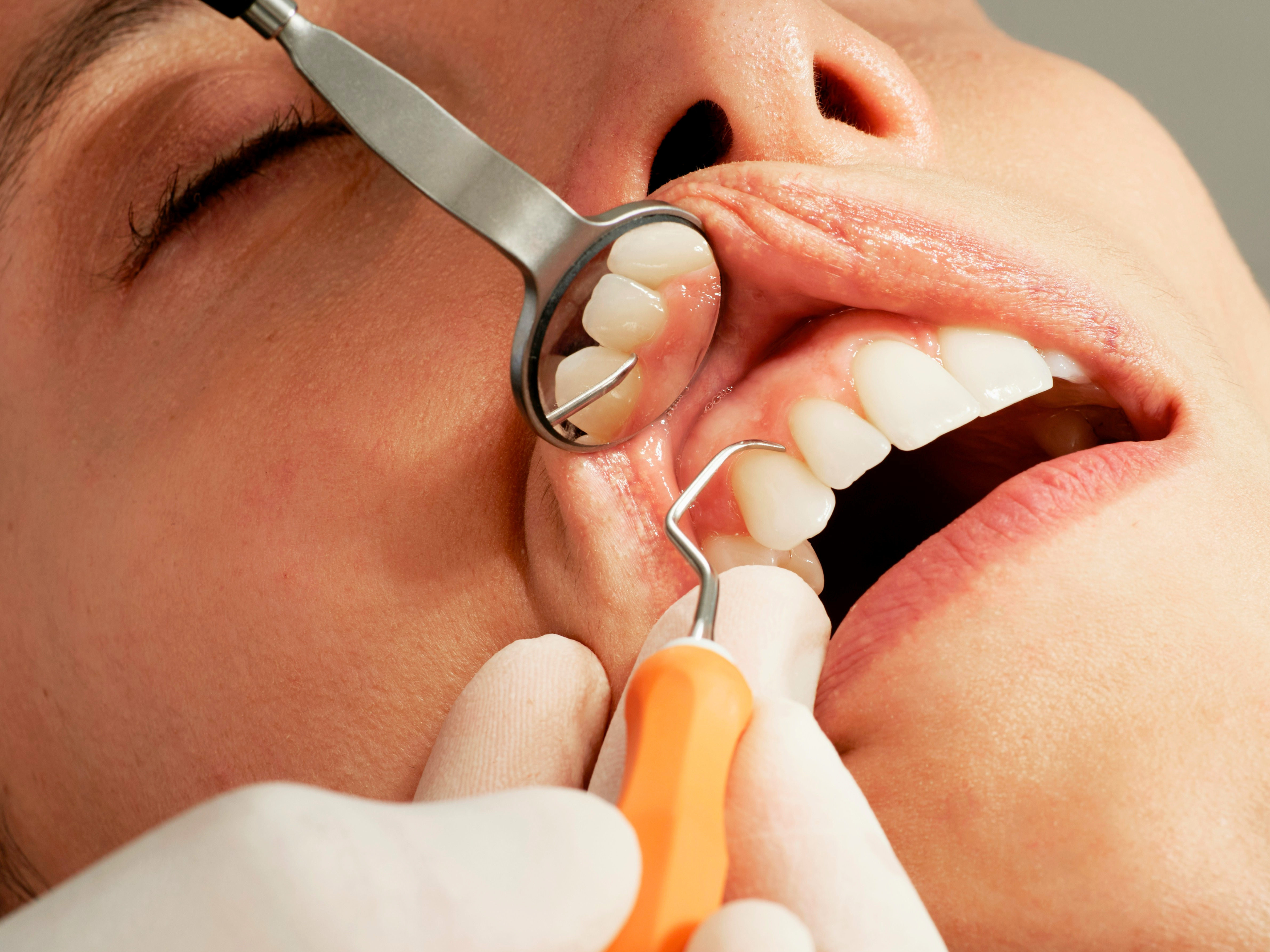
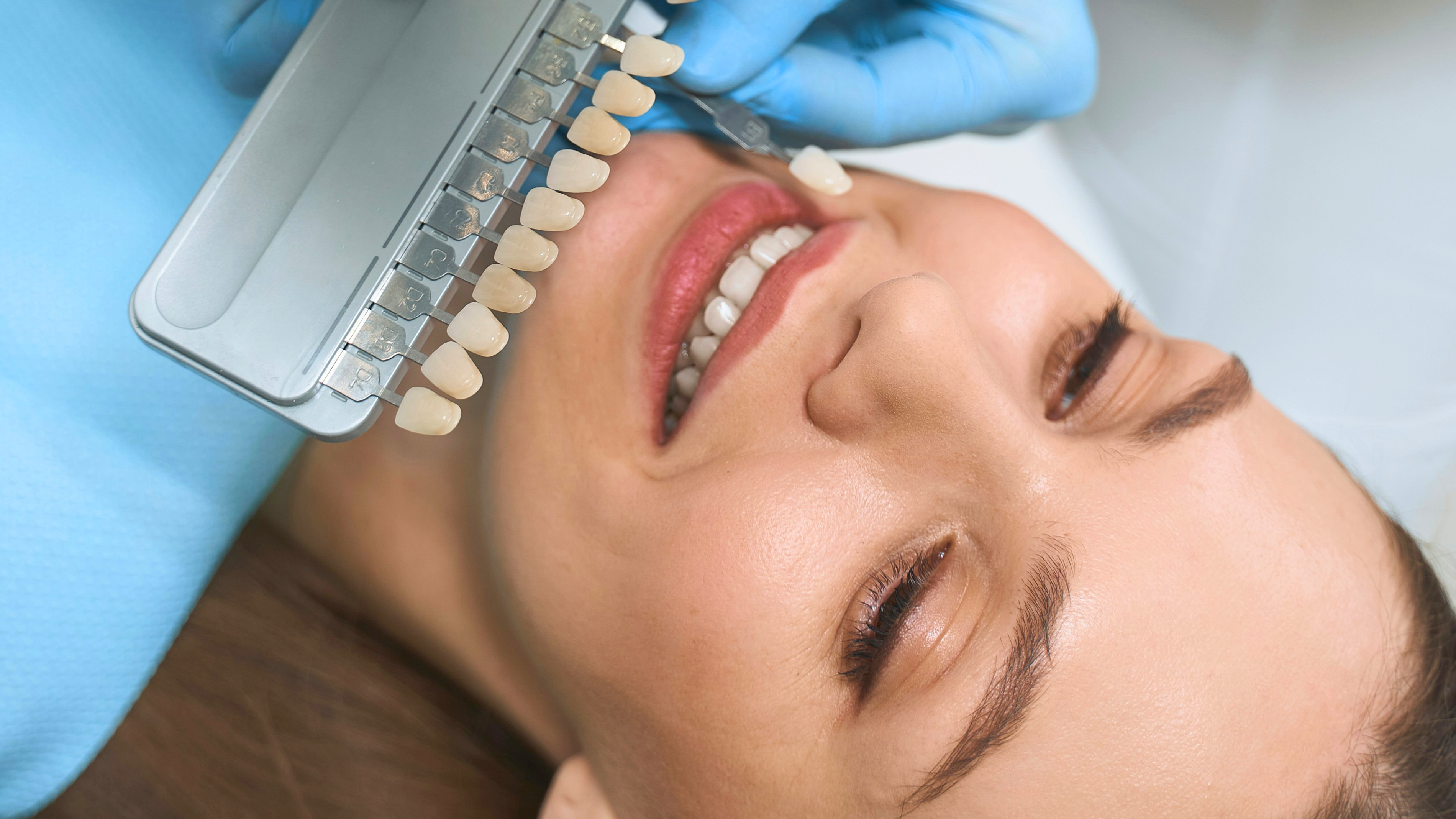
Dental veneers are thin facings bonded to the front surface of anterior teeth to change colour, shape, and alignment. The 2026 standard at English-speaking Tokyo dental clinics is lithium disilicate porcelain — IPS e.max (Ivoclar Vivadent), pressed or CAD-milled — which offers a good balance of strength (400+ MPa flexural strength), aesthetics, and minimal prep thickness. Feldspathic porcelain (hand-layered, more translucent, less strong) remains a premium choice for high-end aesthetic cases. Composite resin veneers (direct, placed chairside in a single visit) are a lower-cost alternative with a shorter lifespan (4–7 years versus 10–15+ for porcelain). Most porcelain veneers require 0.3–0.7 mm of enamel reduction on the facial surface to create space for the veneer without overbulking the tooth — this is the main dissuasion point that deserves honest consent: veneers are essentially irreversible, because that enamel does not grow back. No-prep or ultra-thin veneers (Lumineers, DURAthin) can sometimes skip the preparation step but work only for cases where adding thickness to the existing tooth is aesthetically acceptable. A proper porcelain veneers Tokyo English consult walks through digital smile design, a trial smile mock-up (composite try-in in the mouth), bite and gum assessment, and a staged plan that sets realistic expectations before any tooth is touched.
- IPS e.max lithium disilicate — the workhorse porcelain. Strong, aesthetic, CAD-milled or pressed. 0.3–0.7 mm prep.
- Feldspathic porcelain veneers — hand-layered, highly translucent, premium aesthetic result. Less strong than e.max.
- Zirconia veneers — very strong but more opaque. Reserved for heavy bite force or specific shade masking needs.
- Composite (direct) veneers — placed in one visit. Lower cost (¥30,000–¥80,000 per tooth), shorter lifespan, more staining over time.
- No-prep / minimal-prep veneers (Lumineers, DURAthin) — reversible in principle, but work only for cases where adding thickness suits the smile.
- CAD-CAM chairside (CEREC) — same-day veneers milled in-office. Fewer visits; aesthetics can be very good but nuanced shading is harder than with lab work.
- Japanese specialist certification to look for: 日本補綴歯科学会 (Japan Prosthodontic Society) certified prosthodontist, particularly for multi-tooth smile makeover cases.
- Veneers are private (自費診療) treatment in Japan — not covered by Japanese national health insurance.
- Tourists can complete a veneer case in Tokyo but should plan 7–10 days for traditional lab-made porcelain veneers or 3–5 days for CAD-CAM chairside cases.
- Gums must be healthy before veneer placement — active periodontal disease needs stabilization first.
- Heavy bruxers (teeth grinders) should plan on a night guard after placement to extend veneer life.
- Nightly staining drinks (coffee, red wine, matcha) do not stain porcelain itself but can stain the cement line — professional cleanings every 6 months matter.
5 English-Speaking Veneers Clinics in Tokyo
Tokyo Dental Clinic — Toranomon
A long-established English-speaking dental practice widely used by the expat community. The clinic handles smile makeover Tokyo cases with lab-fabricated IPS e.max as the primary material, digital smile design at consult, and a trial smile composite mock-up before any preparation begins. Multi-tooth cases (typically 6–10 upper front teeth) are planned with full records including photos and bite analysis.
- English level: High — clinic's reputation is largely built on English-speaking dental care
- Price range: ¥140,000–¥190,000 per porcelain veneer
- Best for: Expats wanting an established English-first practice for a carefully planned smile makeover
- Caveat: Central Tokyo location and bilingual-practice positioning mean pricing sits at the upper end of the Tokyo range
Motoazabu Dental Clinic — Moto-Azabu
An international-friendly dental practice in Moto-Azabu offering tooth veneers Tokyo English dentist patients IPS e.max and feldspathic porcelain options, with a prosthodontist-led workflow for multi-tooth cases. The clinic uses digital impression (iTero or similar), and the lab-fabrication timeline is typically 2–3 weeks between preparation and seating appointments.
- English level: High — staff and dentists work with English-speaking patients regularly
- Price range: ¥120,000–¥170,000 per porcelain veneer
- Best for: Residents wanting prosthodontist-led planning without the premium central-Tokyo rate
- Caveat: Same-day CAD-CAM chairside veneers are not the primary offering — if you need one-visit completion, confirm chairside availability
Roppongi Hills Dental Clinic — Roppongi
A multilingual dental practice inside the Roppongi Hills complex offering veneers with digital smile design and in-house CAD-CAM chairside milling for select cases. Good option for patients wanting a compressed veneer timeline or who work and live in the central Roppongi area. The clinic leans toward conservative tooth preparation when possible, preserving more enamel.
- English level: High — multilingual staff, central expat location
- Price range: ¥150,000–¥200,000 per porcelain veneer
- Best for: Patients who want CAD-CAM same-day veneers or conservative minimal-prep options
- Caveat: Pricing reflects the central-Roppongi retail-rent reality
Tokyo Midtown Dental Clinic — Roppongi
The dental practice within the Tokyo Midtown complex handles veneers through a prosthodontist, with a formal pre-treatment records workup including intraoral scan, photographs, and bite analysis. Multi-tooth smile makeovers are common here, often coordinated with adjunctive treatments (whitening, orthodontics, gum contouring) into a single staged plan.
- English level: High — clinic has served international corporate clientele for years
- Price range: ¥150,000–¥210,000 per porcelain veneer
- Best for: Patients wanting a full records workup and coordinated multi-disciplinary plan
- Caveat: Slots for new veneer consults can book 4–6 weeks out — request scheduling early
Ichibancho Dental Office — Chiyoda
A Chiyoda dental practice with strong veneer case volume using IPS e.max as the primary porcelain. The workflow is efficient — digital impression, lab fabrication within 10–14 days, and a staged preparation-then-seating visit pair. English support is conversation-level rather than native, making this a good fit for patients who want quality prosthetic work at more accessible pricing.
- English level: Moderate — English consent materials, bilingual treatment coordinator
- Price range: ¥100,000–¥160,000 per porcelain veneer
- Best for: Patients wanting quality porcelain veneers at more accessible pricing
- Caveat: English is conversation-level — Kanbi concierge adds a useful buffer for complex smile makeover discussions
Veneers Tokyo Price Comparison (Tokyo, 2026)
Prices below are 2026 per-tooth ranges for lab-fabricated lithium disilicate (IPS e.max) porcelain veneers. Feldspathic and premium aesthetic cases run 10–25% above the listed range; composite direct veneers run materially lower.
| Clinic | Primary Material | Per Veneer (¥) | Per Veneer (USD) |
|---|---|---|---|
| Tokyo Dental Clinic | IPS e.max | ¥140,000–¥190,000 | $933–$1,267 |
| Motoazabu Dental Clinic | IPS e.max / feldspathic | ¥120,000–¥170,000 | $800–$1,133 |
| Roppongi Hills Dental Clinic | IPS e.max (CAD-CAM or lab) | ¥150,000–¥200,000 | $1,000–$1,333 |
| Tokyo Midtown Dental Clinic | IPS e.max / premium lab | ¥150,000–¥210,000 | $1,000–$1,400 |
| Ichibancho Dental Office | IPS e.max | ¥100,000–¥160,000 | $667–$1,067 |
Prices exclude consult fees (¥5,000–¥10,000), digital smile design (¥20,000–¥50,000 when charged separately), and occlusal splint / night guard (¥30,000–¥60,000 if recommended). ¥150 = $1 used for conversion. Composite direct veneers run ¥30,000–¥80,000 per tooth.
Not sure which clinic to choose, or how to book in Japanese? Kanbi handles clinic selection, Japanese communication, and booking for veneers treatments. Submit a treatment request → kanbicare.com
Veneers Tokyo FAQ
How much do veneers cost in Tokyo?
Budget ¥100,000–¥210,000 per porcelain veneer in 2026. A typical upper-arch smile makeover covering 8–10 front teeth runs ¥800,000–¥2,100,000. Composite direct veneers run ¥30,000–¥80,000 per tooth as a lower-cost alternative with shorter lifespan. Add digital smile design and records fees of ¥20,000–¥50,000 if billed separately. Japanese national health insurance does not cover veneers.
How many visits and how long do results last?
Traditional lab-fabricated porcelain veneers typically take 2 visits over 2–3 weeks: preparation with temporary veneers, then final cementation. CAD-CAM chairside cases can complete in 1 long visit. Porcelain veneers typically last 10–15 years with good oral hygiene; some last 20+ years. Composite direct veneers typically last 4–7 years before restaining or chipping requires replacement. Night guard wear substantially extends veneer life for bruxers.
Do veneers actually work?
Yes — porcelain veneers are a well-established, predictable cosmetic dentistry treatment for changing colour, shape, and minor alignment of anterior teeth. They work excellently for discoloured teeth (tetracycline staining, severe fluorosis), chipped or worn front teeth, minor crowding or spacing, and tooth-shape dissatisfaction. They work less well for major alignment issues (orthodontics first is usually correct), severe crowding requiring extraction, or cases where the existing teeth are structurally compromised and crowns would be more appropriate. A good consult distinguishes these cases.
Are veneers safe and what are the side effects?
Veneers are a low-risk cosmetic procedure in experienced hands. Expected side effects: temporary sensitivity to cold and pressure for 1–4 weeks after preparation, mild gum irritation around the margins during adjustment, bite changes that may need small grinding adjustments over the first 2 weeks. Less common issues include veneer debonding (1–3% over 5 years, usually re-bondable), porcelain chipping (especially in bruxers without a night guard), sensitivity that persists beyond 2 months (rare, usually indicates pulp involvement), and gum recession exposing the veneer margin over years. The most important caveat: preparation is essentially irreversible — the removed enamel does not grow back.
Can tourists get veneers in Tokyo?
Yes. Plan 7–10 days for traditional lab-made porcelain veneers: day 1–2 consult, digital smile design, trial smile, day 2–3 preparation and temporary veneer fitting, day 8–10 final cementation. CAD-CAM chairside cases can compress to 3–5 days. Single-tooth cases are easier to complete than full smile makeovers on a short timeline. Tokyo dental clinics provide English-language post-op instructions and bite-adjustment referral notes for home dentists if needed.
What's the difference between porcelain veneers and composite veneers?
Porcelain veneers (IPS e.max, feldspathic) are lab-fabricated or CAD-milled ceramic shells bonded to the tooth — high strength, high aesthetics, 10–15+ year lifespan, and ¥100,000–¥210,000 per tooth in Tokyo. Composite veneers are built up directly on the tooth chairside using layered composite resin — lower cost (¥30,000–¥80,000 per tooth), 4–7 year lifespan, prone to staining over time, but easier to touch up and less prep-intensive. Porcelain is the right choice for long-term smile makeover; composite is a reasonable choice for single-tooth fixes, younger patients not ready for porcelain commitment, or budget-conscious cases.
Can I combine veneers with whitening, orthodontics, or implants?
Yes — and the sequence matters. Whitening should be done before veneer cementation so the veneer colour is matched to the final, lightened tooth shade — whitening does not affect porcelain once placed. Orthodontic alignment (Invisalign or braces) should be completed before veneer preparation so veneers are fabricated to fit the final tooth positions. Implants on non-aesthetic teeth can be placed before or after veneers; implants in the aesthetic zone are best coordinated with veneer planning since shade and shape matching matter. A multi-disciplinary plan at a clinic that coordinates all three reduces sequencing errors.
Are veneers cheaper in Tokyo vs Bangkok or Istanbul?
Bangkok and Istanbul are meaningfully cheaper on headline veneer pricing — often 40–70% below Tokyo — and dental tourism packages for full smile makeovers are a mature industry in both cities. Trade-offs: harder follow-up if a veneer debonds or chips, wider quality variance across providers, and challenges coordinating with home dentists for adjustments. Tokyo's value is the combination of consistent prosthodontic training, premium material availability (IPS e.max from Ivoclar Vivadent is standard), strong English-speaking dental infrastructure, and clean integration with multi-disciplinary cases. For English-speaking care and multi-year continuity, Tokyo pricing is competitive.
Book Veneers Tokyo with Kanbi
Veneers Tokyo options in 2026 span five English-capable dental clinics, premium porcelain materials (IPS e.max lithium disilicate, feldspathic), digital smile design workflows, and per-tooth pricing from ¥100,000 to ¥210,000 with typical smile makeover totals from ¥800,000 to ¥2,100,000. The right clinic depends on case complexity, whether you want CAD-CAM chairside or lab-fabricated, and whether other dental or orthodontic work needs to be sequenced with the veneer plan. Kanbi shortlists the right clinic for your case, handles the Japanese-language booking, and coordinates staged visits and home-dentist records transfer in English — submit a treatment request at kanbicare.com to start.
Related Kanbi guides: teeth whitening in Tokyo, dental implants in Tokyo, and Invisalign in Tokyo.