Last verified: April 2026. Prices, whitening systems, and English availability were researched from official clinic websites. Always confirm directly before booking.
Professional teeth whitening in Tokyo ranges from ¥2,950 ($19) per LED session at budget chains to ¥33,000 ($215) for an intensive in-office course at English-friendly dental clinics. The treatment is widely available — but if you are coming from the US or UK, there is one important difference to know: Japan regulates peroxide concentrations more strictly, which can mean more gradual results per session.
This guide covers what foreigners need to understand about whitening in Japan, five dental clinics with confirmed English support, and real pricing. If you are combining dental work with aesthetic treatments during your Tokyo visit, see our full guide to English-speaking aesthetic clinics in Tokyo and our booking guide for foreigners.
What to Know Before Whitening in Tokyo
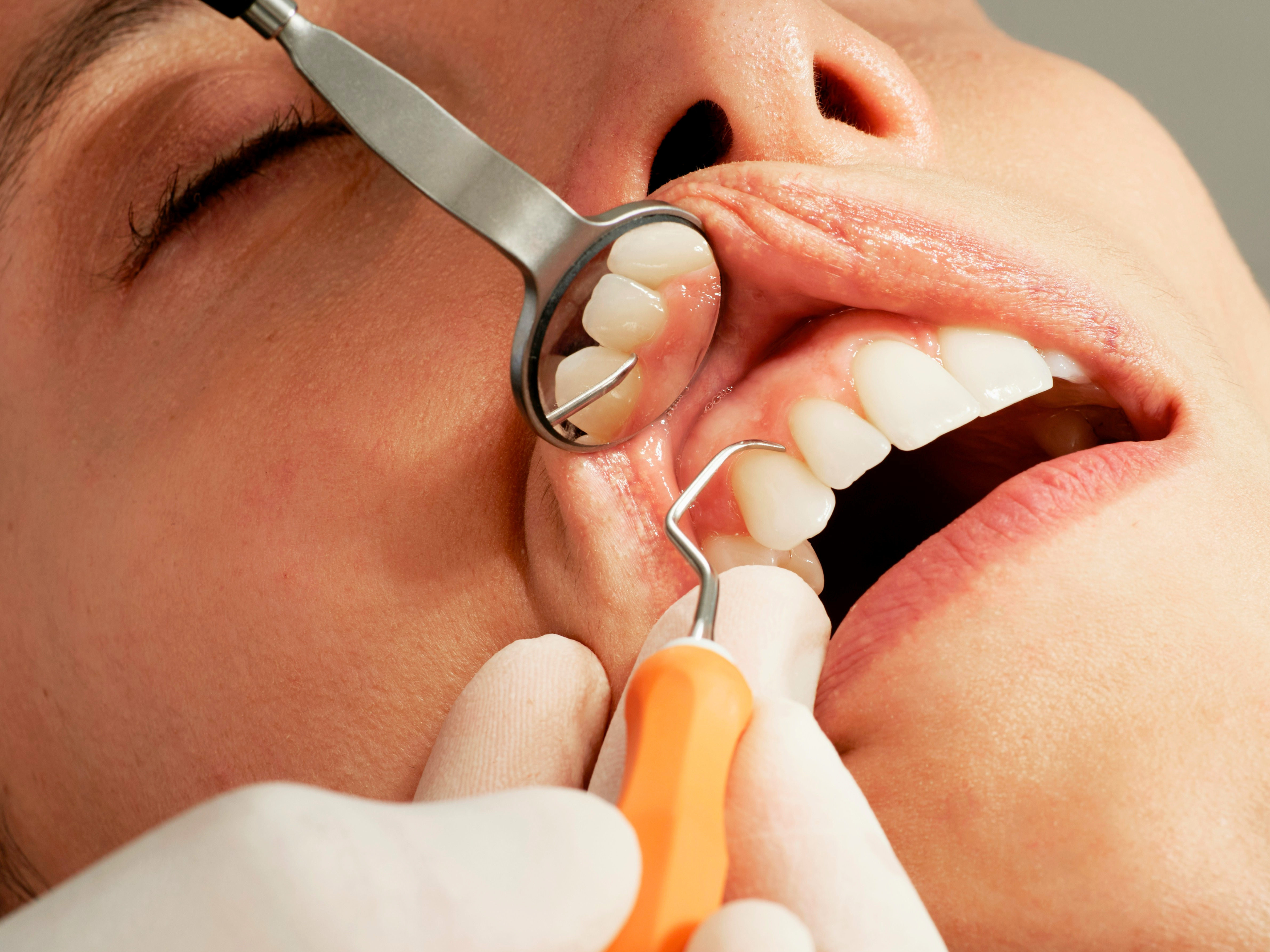
Dental clinic (歯科医院) vs beauty salon (エステ) — know the difference. In Tokyo, both dental clinics and beauty salons offer "teeth whitening." The results — and the safety — are not the same. A licensed dental clinic (歯科医院, ha-ka-i-in) performs whitening under the supervision of a dentist using professional peroxide-based systems. A beauty salon or whitening bar (エステ, esute) uses low-concentration, non-peroxide gels that are allowed without a dental license but produce significantly weaker results. If you are coming from Europe or the US and expecting professional-grade whitening, you want a 歯科医院. Every clinic in this guide is a licensed dental clinic. If you book anywhere else, confirm their license status first.
Japan's peroxide rules are stricter than in the US. US dental professionals routinely use hydrogen peroxide at 35–40%. In Japan, concentrations above 6% fall under the Poisonous and Deleterious Substances Control Act and can only be applied by licensed dentists. While professional use can reach ~35%, application tends to be more conservative. The EU has similar limits. Expect a more gradual approach per session than what US clinics deliver.
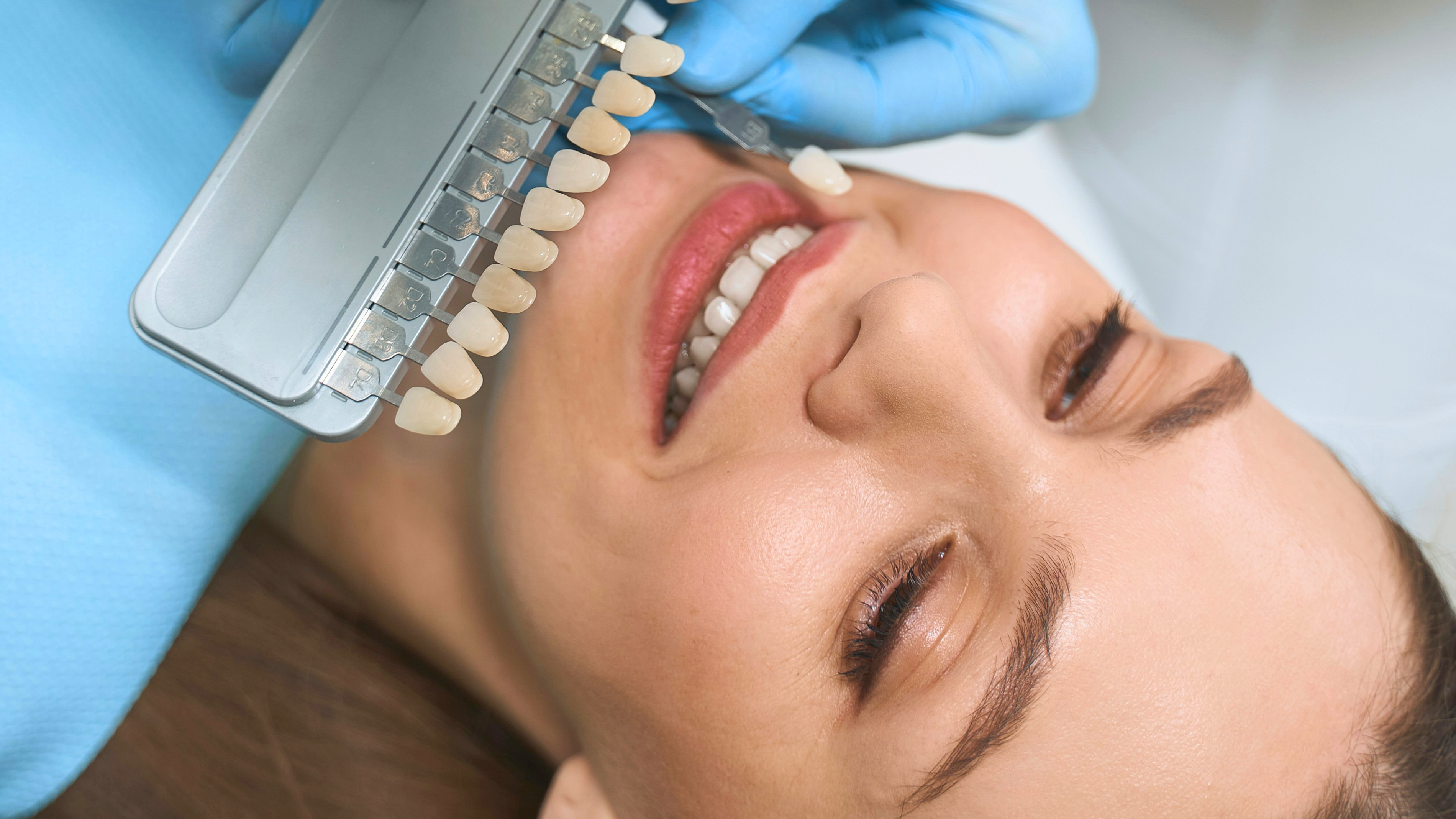
In-office vs. home whitening. In-office treatments use LED or laser activation with professional-strength gel, typically lasting 30–60 minutes. Home whitening involves custom trays and lower-concentration gel applied over several days or weeks. Some clinics offer both. In-office delivers faster visible results; home whitening is gentler and more gradual.
A dental cleaning is usually required first. Most Tokyo dental clinics recommend or require a professional cleaning (scaling) before whitening to remove plaque and stains that block the whitening agent. This may add ¥5,000–10,000 and a separate appointment. Ask about this when booking.
Sensitivity is normal. Temporary tooth sensitivity during and after whitening typically subsides within 24–48 hours. Confirm that aftercare instructions are available in English.
5 English-Speaking Whitening Clinics in Tokyo
Shibuya Ohno Dental & Orthodontic — Shibuya
The strongest whitening-specific option we found. Uses Opalescence Boost (Ultradent, USA) — a well-established professional system that does not require light activation. The team includes dentists who regularly communicate in English and have treated patients from over 20 countries. Pricing falls in the ¥18,000–25,000 range per session. Two minutes from Shibuya Station.
Best for: Foreigners who want a named, proven whitening system with confident English communication.
Caveat: Exact pricing not confirmed from official fee page — confirm when booking.
Sakura Platinum Dental Clinic — Shibuya
The clearest published pricing: ¥33,000 for a Professional Whitening Standard Intensive Course (LED, 40 minutes total). English-friendly with multilingual app support and online booking. The clinic compresses what would normally be five separate LED sessions into one 40-minute visit — practical for tourists or busy expats. Open daily, with unusual hours (12PM–5AM) that are actually useful for after-work visits.
Best for: Tourists wanting a single-visit, clearly priced whitening experience with online booking.
Caveat: LED system brand not specified. Self-pay only for non-Japanese insurance holders.
Tokyo Midtown Dental Clinic — Roppongi
A premium dental clinic inside Midtown Tower, directly connected to Roppongi Station. Part of the Tokyo Midtown Medical group. Offers both in-office and home whitening options — one of the few English-speaking clinics to clearly offer both. Full English website with appointment requests.
Best for: Foreigners in Roppongi who want a premium dental environment with dual whitening options.
Caveat: Whitening pricing not indexed as of April 2026 — confirm directly. First-visit admin fee of ¥5,500 applies for non-insured patients.
Reiko Dental Clinic — Akasaka
A small, personal dental practice led by Dr. Reiko Makabe. English-speaking staff support the full patient journey from scheduling to aftercare. Offers a combination approach: home whitening with custom trays plus in-clinic laser treatment using a photo catalyst. Located three minutes from Akasaka Station.
Best for: Foreigners who prefer a small, personal practice with a combination home-and-office approach.
Caveat: Whitening pricing not indexed. Combination approach requires multiple visits.
Star Whitening — Multiple Tokyo Locations
The budget option. Star Whitening is a whitening-only chain offering LED sessions at ¥2,950 each (~10 minutes per session). A dentist performs a free initial diagnosis, then a dental hygienist does the whitening. Multiple sessions can be combined in one visit (2 sessions = ~30 min, 3 = ~40 min). Locations in Shinjuku, Ebisu, and other areas. Accepts credit cards and PayPay.
Best for: Budget-conscious visitors wanting a quick, affordable whitening session.
Caveat: Not a full dental clinic — whitening only. English phone support not confirmed. Results from a single ¥2,950 session will be modest; multiple sessions needed for noticeable change.
Note for European and American patients: Japanese dental chairs and equipment are calibrated for the smaller average tooth size common in East Asian patients. If you have larger teeth (common in European patients), mention this at consultation — your dentist may need to adjust the tray or application technique to ensure even coverage across the full tooth surface.
Price Comparison Table
| Clinic | Type | System | Price | Sessions | Notes |
|---|---|---|---|---|---|
| Shibuya Ohno Dental | In-office | Opalescence Boost | ¥18,000–25,000 | 1 per visit | No light activation needed |
| Sakura Platinum | In-office LED | LED (brand TBC) | ¥33,000 | 1 intensive (40 min) | Combines 5 sessions into 1 visit |
| Tokyo Midtown Dental | In-office + Home | TBC | Confirm directly | Varies | First-visit fee ¥5,500 |
| Reiko Dental | Home + Laser | Photo catalyst + home kit | Confirm directly | Multiple | Combination approach |
| Star Whitening | In-office LED | LED (brand TBC) | ¥2,950/session | 1–3 per visit | Whitening-only chain |
Note: Whitening results vary by individual and depend on starting shade, system used, and number of sessions. Japan's peroxide regulations mean single-session results may be more gradual than US-strength treatments. Always confirm the total cost — including any required prior cleaning — before booking.
Not sure which dental clinic to choose, or how to book in Japanese?
Kanbi handles clinic selection, Japanese communication, and booking for dental treatments too — including whitening, veneers, and Invisalign.
Submit a treatment request → kanbicare.com
Related Kanbi guides: dental veneers in Tokyo, dental deep cleaning in Tokyo, and Invisalign in Tokyo., and how to book a clinic in Tokyo without speaking Japanese
FAQ
How much does whitening cost in Tokyo?
From ¥2,950 per LED session at budget chains to ¥33,000 for an intensive in-office course at English-speaking dental clinics. Mid-range is ¥18,000–25,000 per session. A required dental cleaning may add ¥5,000–10,000.
Is whitening weaker in Japan than the US?
Potentially, per session. Japan regulates peroxide concentrations more strictly than the US, and application tends to be more conservative. Results are achievable but may require more sessions than you would expect from a US clinic.
Do I need cleaning before whitening?
Usually, yes. Most Tokyo dental clinics require or recommend a professional cleaning before whitening to ensure the agent works effectively. This is a separate appointment and cost.
Which whitening system is best?
Opalescence Boost (used at Shibuya Ohno Dental) is one of the best-documented professional systems globally. LED-based systems are also effective but vary in intensity. Ask the clinic which system they use.
Can tourists get whitening in Tokyo?
Yes. No Japanese residency or insurance is required. Whitening is a self-pay cosmetic procedure. Most English-speaking dental clinics accept walk-in or online bookings from foreign visitors.
Will my teeth be sensitive afterward?
Temporary sensitivity is common for 24–48 hours after any professional whitening. It is not a sign of damage. The clinic should provide aftercare guidance — confirm this is available in English before treatment.