Last verified: April 2026. Prices and clinic details change: always confirm directly with the clinic when booking.
Booking a dental deep cleaning Tokyo appointment in English is straightforward once you know which clinics actually have hygienists and dentists who can explain periodontal findings, probing depths, and home-care instructions without switching to Japanese mid-appointment. Deep cleaning: properly called scaling and root planing (SRP) when it goes below the gumline: is the foundation of periodontal treatment, and in Tokyo you have the option of either a Japanese National Health Insurance (NHI) covered version at roughly 30% coinsurance or a private-pay version at an English-speaking clinic with longer appointments and more thorough polishing. This guide walks through both paths and the clinics foreigners actually use.
What to Know Before Dental Deep Cleaning in Tokyo
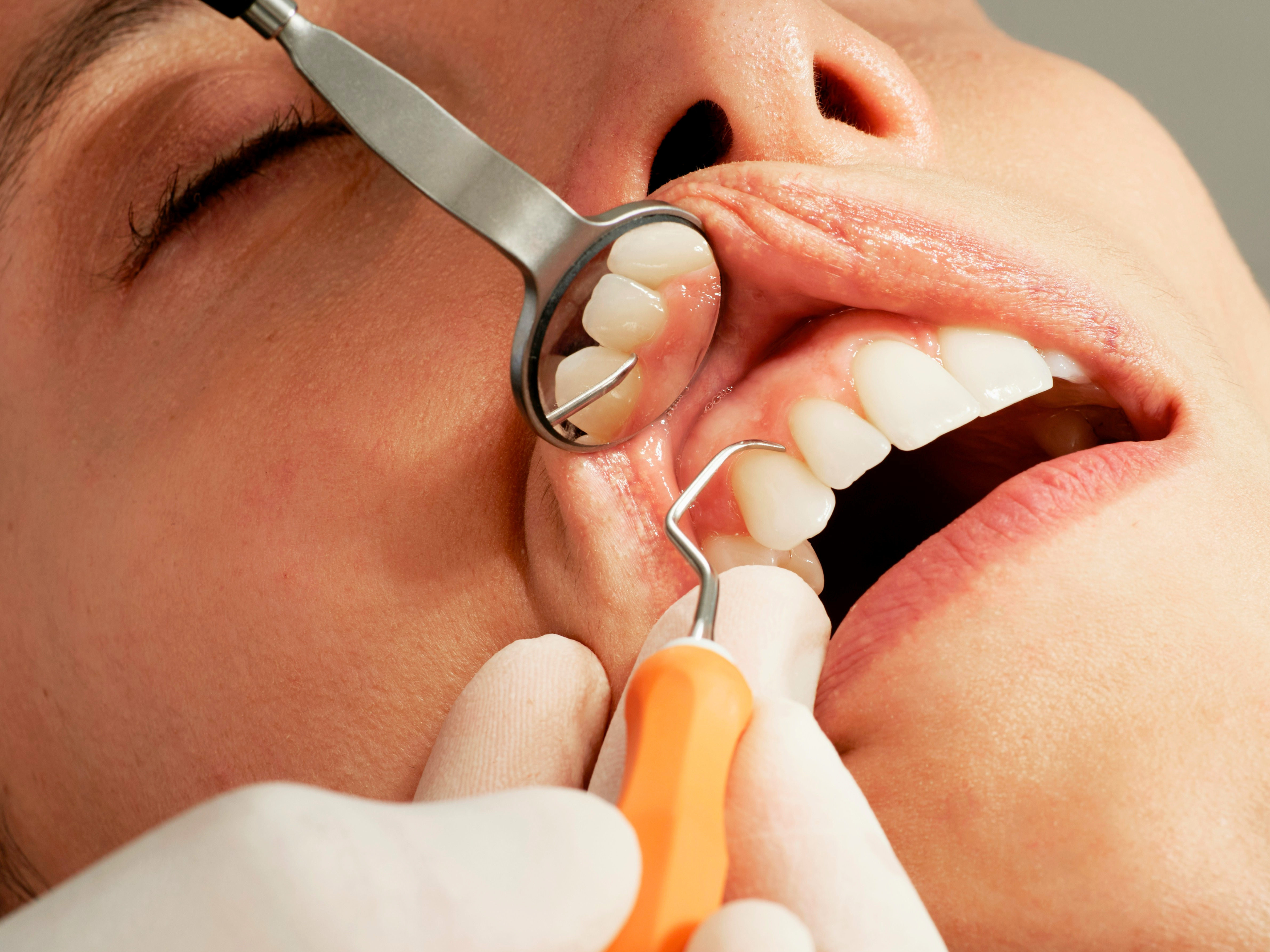
A standard "cleaning" in Japan splits into two categories. Supragingival scaling removes calculus (tartar) above the gumline and is what most patients need every 3 to 6 months. Subgingival scaling and root planing is the actual "deep cleaning": performed when periodontal pockets measure 4mm or deeper, usually under local anesthesia, and often split across multiple quadrant visits. Tokyo clinics typically follow a pocket-depth chart and bleeding-on-probing (BOP) assessment before recommending which type you need, rather than defaulting to deep cleaning for everyone.
- Prophylaxis (PMTC): Professional mechanical tooth cleaning with rubber cup and polishing paste: the "regular cleaning" most patients think of.
- Supragingival scaling: Ultrasonic (piezo or magnetostrictive) and hand instruments to remove calculus above the gumline.
- Subgingival scaling and root planing (SRP): Instrumentation below the gumline to remove calculus, biofilm, and endotoxin-contaminated cementum. Usually done per quadrant with local anesthesia.
- Air polishing: Glycine or erythritol powder systems (EMS Airflow, KaVo Prophyflex) for stain removal and biofilm disruption: gentler than paste polishing.
- Full-mouth disinfection (FMD): Aggressive one- or two-visit SRP protocol for generalized periodontitis, sometimes combined with chlorhexidine irrigation.
- Japanese NHI covers scaling and SRP when periodontal disease is documented: coinsurance is typically 30% for residents with insurance cards. Tourists pay full price (still often cheaper than equivalent US work).
- NHI-route cleanings at Japanese clinics are usually split across 2 to 4 visits by quadrant rather than one long appointment, because insurance reimbursement is structured that way.
- Private-pay at English-speaking expat clinics usually offers a single 60 to 90 minute appointment with a dedicated dental hygienist (歯科衛生士).
- Bring your insurance card (健康保険証) if you have one: many clinics accept Japanese NHI and the Social Insurance card issued through employers.
- Ask for the pocket chart and BOP reading afterward: a good clinic will walk you through it in English and flag any quadrants that need follow-up.
5 English-Speaking Dental Deep Cleaning Clinics in Tokyo
Tokyo Dental Clinic: Toranomon
One of the longest-running English-speaking dental practices in central Tokyo, with a hygiene team that handles both NHI-covered and private-pay scaling protocols. They use EMS Airflow for air polishing and piezo ultrasonic scalers, and hygienists are trained to record pocket depths and BOP in a format foreign patients recognize from US/UK dental records.
- English level: Fluent: dentists and hygienists.
- Price range: NHI ¥3,000 to ¥6,000 per quadrant (~$20 to $40) / private ¥15,000 to ¥28,000 full mouth (~$100 to $187).
- Best for: Expats with insurance who want thorough records and clean handoffs back to their home dentist.
- Caveat: Popular with the embassy and expat community: hygiene recalls often book out 4 to 6 weeks in advance.
Motoazabu Dental Clinic: Moto-Azabu
A boutique practice that leans toward private-pay periodontal care with longer 75 to 90 minute hygiene appointments. The clinic uses EMS GBT (Guided Biofilm Therapy) protocol: disclosing solution first, then air polishing with erythritol powder, then ultrasonic scaling only where indicated. Good choice for patients who want the "salon-style" cleaning rather than split-quadrant NHI care.
- English level: Fluent: principal dentist trained abroad.
- Price range: ¥18,000 to ¥35,000 per visit (~$120 to $233).
- Best for: Private-pay patients who want full-mouth cleaning in one longer appointment.
- Caveat: Does not process NHI for hygiene visits by default: confirm billing route before booking.
Roppongi Hills Dental Clinic: Roppongi
Based inside Roppongi Hills, convenient for Azabu and Hiroo residents. Hygienists perform SRP under local anesthesia when indicated and the clinic has a CBCT for staging more advanced periodontal cases. Stain removal options include both traditional paste polishing and air polishing.
- English level: Strong: most hygienists and reception staff.
- Price range: NHI ¥3,500 to ¥7,000 per quadrant (~$23 to $47) / private ¥16,000 to ¥30,000 full mouth (~$107 to $200).
- Best for: Patients who want NHI flexibility with upgrade options for polishing.
- Caveat: Parking validation is limited: plan for Hibiya or Oedo Line access rather than driving.
Tokyo Midtown Dental Clinic: Roppongi
Inside the Tokyo Midtown complex, with a periodontal specialist (日本歯周病学会 certified) available for more advanced cases. Routine deep cleanings are handled by the hygiene team using piezo ultrasonics and air polishing; SRP for periodontitis is escalated to the periodontist for quadrant work under local anesthesia.
- English level: Fluent: dentists, hygienists, and reception.
- Price range: NHI ¥3,500 to ¥7,500 per quadrant (~$23 to $50) / private ¥20,000 to ¥40,000 full mouth (~$133 to $267).
- Best for: Patients with documented periodontitis who may need specialist escalation.
- Caveat: Premium positioning means higher private-pay fees than typical NHI-route clinics.
Ichibancho Dental Office: Chiyoda
Near the British Embassy and Hanzomon station, this clinic sees a steady stream of diplomatic and corporate expat patients. The hygiene team emphasizes thorough pocket charting and patient education: expect a printed pocket chart and home-care plan after each visit. Ultrasonic scaling plus air polishing is the standard protocol.
- English level: Fluent: hygienists and dentists.
- Price range: NHI ¥3,000 to ¥6,500 per quadrant (~$20 to $43) / private ¥15,000 to ¥28,000 full mouth (~$100 to $187).
- Best for: Patients who want thorough periodontal documentation for home-country dental continuity.
- Caveat: Smaller practice: hygiene chairs are limited and appointments often require 2 to 4 weeks lead time.
Dental Deep Cleaning Tokyo Price Comparison (Tokyo, 2026)
Dental deep cleaning Tokyo pricing splits into an NHI-covered path (30% coinsurance for insured residents, split across quadrants) and a private-pay path (full-mouth in one longer visit). The table below shows both routes per clinic.
| Clinic | Neighborhood | NHI (per quadrant, 30%) | Private (full mouth) | USD (private, $1=¥150) |
|---|---|---|---|---|
| Tokyo Dental Clinic | Toranomon | ¥3,000 to ¥6,000 | ¥15,000 to ¥28,000 | $100 to $187 |
| Motoazabu Dental Clinic | Moto-Azabu | Private only | ¥18,000 to ¥35,000 | $120 to $233 |
| Roppongi Hills Dental | Roppongi | ¥3,500 to ¥7,000 | ¥16,000 to ¥30,000 | $107 to $200 |
| Tokyo Midtown Dental | Roppongi | ¥3,500 to ¥7,500 | ¥20,000 to ¥40,000 | $133 to $267 |
| Ichibancho Dental Office | Chiyoda | ¥3,000 to ¥6,500 | ¥15,000 to ¥28,000 | $100 to $187 |
NHI pricing assumes 30% coinsurance for patients with a Japanese health insurance card. Tourists without insurance pay the full NHI fee schedule, which is still generally lower than private-pay fees. Confirm billing route and exact pricing at consultation: periodontitis staging may require additional X-rays or CBCT not reflected above.
Not sure which clinic to choose, or how to book in Japanese? Kanbi handles clinic selection, Japanese communication, and booking for dental deep cleaning treatments. Submit a treatment request → kanbicare.com
Dental Deep Cleaning Tokyo FAQ
How much does dental deep cleaning cost in Tokyo?
An NHI-covered scaling visit runs roughly ¥3,000 to ¥7,500 per quadrant at 30% coinsurance (~$20 to $50), usually split across 2 to 4 visits to complete the mouth. Private-pay full-mouth deep cleaning at an English-speaking expat clinic runs ¥15,000 to ¥40,000 (~$100 to $267) in a single longer appointment. SRP under local anesthesia for documented periodontitis sits at the upper end of each range.
How many sessions do I need and how long do results last?
Routine supragingival scaling is a maintenance visit every 3 to 6 months depending on your periodontal risk profile. Subgingival SRP for moderate periodontitis is usually completed in 2 to 4 quadrant visits, with a re-evaluation appointment 4 to 8 weeks later to re-measure pocket depths. Results are durable as long as home-care (interdental brushing, flossing) is consistent: without it, calculus rebuilds within weeks, especially on the lingual surface of lower incisors.
Does dental deep cleaning actually work?
Yes: SRP is the first-line treatment for periodontitis and has decades of evidence showing pocket depth reduction, BOP reduction, and clinical attachment level gain. For patients with only gingivitis (inflammation without bone loss), standard supragingival scaling plus improved home-care typically resolves symptoms. For advanced periodontitis with deep pockets or furcation involvement, SRP alone may not be sufficient and adjunctive therapy (local antibiotics, laser, flap surgery) may be recommended.
Is dental deep cleaning safe and what are the side effects?
Generally very safe. Expected short-term effects include mild gum tenderness for 24 to 72 hours, transient dentin sensitivity (especially to cold) for 1 to 2 weeks, and temporary gum recession as inflammation resolves: this recession is the gums returning to their healthier position, not tissue loss. Rare complications include post-SRP bacteremia (relevant for patients with certain heart conditions, where antibiotic prophylaxis may be indicated) and inadvertent soft-tissue trauma. Tell your hygienist about any bleeding disorders, heart valve issues, or recent joint replacements before starting.
Can tourists get dental deep cleaning in Tokyo?
Yes. Tourists pay out of pocket: either the private-pay full-mouth rate at an expat clinic (¥15,000 to ¥40,000) or the NHI fee schedule at full price at a Japanese clinic (usually similar or slightly lower). Bring a Japanese-speaking friend or book through a concierge if you go the Japanese-clinic route. Two practical notes: allow at least 2 hours in the chair for a thorough full-mouth cleaning, and avoid scheduling it in the 48 hours before a flight in case of post-SRP sensitivity.
Difference between regular cleaning and deep cleaning?
A regular cleaning (PMTC or supragingival scaling) removes calculus and stain above the gumline on healthy or mildly inflamed gums, usually in 30 to 45 minutes without anesthesia. Deep cleaning (SRP) goes below the gumline to instrument the root surface within periodontal pockets, typically requires local anesthesia, takes 60 to 90 minutes per quadrant, and is indicated when pocket depths measure 4mm or deeper with bleeding or radiographic bone loss. A good clinic decides which you need based on probing, not on your preference.
Can I combine deep cleaning with teeth whitening?
Yes, and many patients do: but order matters. Complete any SRP first, let the gums fully heal (usually 2 weeks), then whiten. Whitening inflamed or freshly scaled gums amplifies sensitivity and can cause chemical irritation. If you're doing routine supragingival scaling only, you can often do the cleaning and an in-office whitening session back-to-back on the same day. Air polishing before whitening also improves peroxide contact with the enamel.
Is deep cleaning cheaper in Tokyo vs Bangkok or Seoul?
NHI-route deep cleaning in Tokyo is competitive with Bangkok and often cheaper than Seoul private-pay. Private-pay full-mouth cleaning at an English-speaking Tokyo expat clinic sits at roughly US prices minus 40 to 60%, so broadly similar to mid-tier Seoul and slightly more expensive than Bangkok: but you're paying for a clinical culture with very low cross-infection risk, PMDA-regulated consumables, and hygienist training governed by Japanese licensing standards. For routine cleanings, the marginal savings of traveling for the procedure rarely justify the flight; for complex periodontal work, staying in Tokyo for the full SRP cycle with proper re-evaluation is usually the better call.
Booking Dental Deep Cleaning in Tokyo via Kanbi
Dental deep cleaning Tokyo care is high-quality and affordable relative to most Western cities: the challenge is navigating NHI vs private billing, clinic English levels, and appointment scheduling when expat-friendly hygiene chairs are booked out weeks in advance. Kanbi handles the clinic matching, insurance clarification, and Japanese-language booking so you get on the schedule at a Tokyo dental clinic that actually runs appointments in English. Submit a treatment request at kanbicare.com and we'll line up a deep cleaning appointment that fits your insurance situation and timeline.
Related Kanbi guides: teeth whitening in Tokyo, wisdom tooth removal in Tokyo, and dental veneers in Tokyo.