
Last verified: April 2026. Prices, device availability, and English support change — confirm directly with the clinic or through Kanbi before booking.
Booking a tattoo removal Tokyo clinics will actually perform in English — on a picosecond laser with appropriate wavelengths for your ink colors — is a narrower shortlist than it looks, and the per-session price varies more with tattoo size, ink, and skin type than any other aesthetic treatment. This guide covers how Tokyo clinics approach laser tattoo removal in 2026, realistic prices in both ¥ and $, and the English-speaking clinics foreigners most often book through.
What to Know Before Tattoo Removal in Tokyo
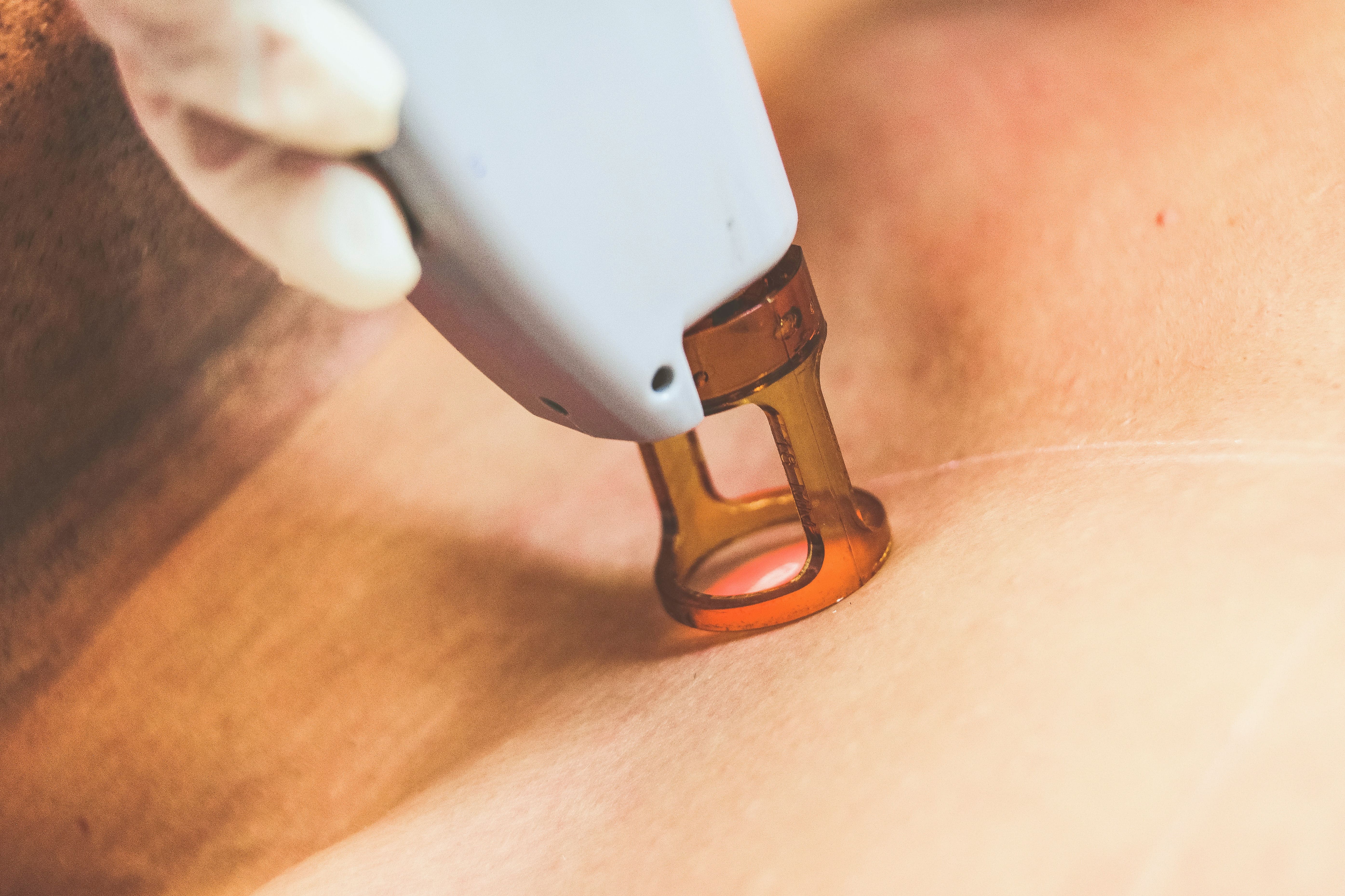
Tokyo clinics have shifted decisively to picosecond laser technology, which delivers energy in trillionths of a second (vs nanoseconds on older Q-switched systems) — shattering ink particles more efficiently, needing fewer sessions, and carrying lower post-inflammatory hyperpigmentation (PIH) risk on Asian skin. Matching wavelength to ink color matters: black and dark blue respond best to 1064 nm Nd:YAG, red and orange to 532 nm KTP, and stubborn greens to 755 nm Alexandrite or 785/730 nm. A single device doesn't cover all colors well, which is why the specific picosecond laser Tokyo English-speaking clinics run affects how many sessions and how complete your final result will be.
Devices and techniques you'll encounter:
- PicoSure Tokyo clinics favor for its 755 nm Alexandrite wavelength — particularly effective on greens and blues, with 532/1064 nm accessories available
- PicoWay (Candela/Syneron) — multi-wavelength picosecond covering 1064/532/785/730 nm, strong on broader color range
- Enlighten (Cutera) — dual-pulse picosecond at 1064/532/670 nm, well-suited to Asian skin
- Discovery Pico (Quanta) — Italian picosecond at 1064/532 nm with high peak power
- PicoPlus (Lutronic) — Korean picosecond platform common at aesthetic-focused clinics
- Q-switched Nd:YAG (nanosecond) — older technology still offered at some clinics at lower prices, but generally requires more sessions and carries higher PIH risk
- R20 / R0 multi-pass protocols — multiple laser passes in one session separated by 20 minutes (or less) to improve clearance per visit on appropriate cases
- Adjuncts like topical vitamin C, tranexamic acid, and Picolaser on a different day for residual pigmentation after clearance
Practical notes for foreigners:
- Sessions are spaced 6–8 weeks apart on most Tokyo protocols — shorter intervals increase PIH risk and don't accelerate clearance
- Expect immediate frosting (white blanching) lasting 15–30 minutes, mild swelling and tenderness for 24–72 hours, scab formation over 7–10 days, and pinkness for 4–6 weeks
- Strict sun avoidance and SPF 50+ is critical between sessions — PIH from sun exposure is a leading cause of delayed clearance
- Pre-existing conditions (keloid history, active infection at the site, pregnancy, recent isotretinoin use) are contraindications — disclose them honestly at consultation
- Bring a clear photo of the tattoo and if possible the original artist's inks used — helps the clinic anticipate wavelength needs
- Consultation fees (¥3,300–¥5,500 / ~$22–$37) are usually separate and sometimes credited toward the first session
5 English-Speaking Tattoo Removal Clinics in Tokyo
Shirono Clinic — Ebisu
A long-running aesthetic dermatology group with an Ebisu flagship that sees many foreign patients. Shirono carries PicoSure and PicoWay depending on branch, and pairs tattoo removal sessions with tranexamic acid and topical skin-brightening protocols to reduce PIH risk on Asian skin.
- English level: English-speaking staff available by appointment; written consent forms in English
- Price range: ¥16,500–¥132,000 ($110–$880) per session depending on tattoo size
- Best for: multi-color tattoos, patients wanting integrated PIH prevention
- Caveat: English-language slots book out 3–4 weeks ahead given typical 6–8 week session intervals
Tokyo Midtown Clinic — Roppongi
The dermatology department inside Tokyo Midtown Clinic runs picosecond laser tattoo removal Japan-based patients often start with, with careful patient selection and honest expectation-setting on total session count and likely residual ghosting.
- English level: full English intake; several physicians trained or board-certified abroad
- Price range: ¥22,000–¥154,000 ($147–$1,027) per session depending on size
- Best for: first-time patients wanting a medical-grade consultation and realistic session-count estimate
- Caveat: priced at the upper end of the Tokyo market and package discounts are minimal
Minami Aoyama Skin Care Clinic — Aoyama
Well-known among expats in central Tokyo, with PicoSure and PicoWay plus Q-switched Nd:YAG for specific indications. Useful for patients wanting to compare picosecond device options in one consult, and for larger or multi-color tattoos where wavelength flexibility matters.
- English level: English-speaking concierge; physicians use English with translation support as needed
- Price range: ¥13,200–¥176,000 ($88–$1,173) per session depending on size and device
- Best for: larger tattoos, multi-color cases needing wavelength flexibility
- Caveat: staff will enthusiastically recommend add-ons (post-treatment skin-brightening serums, protective dressings) — confirm totals in writing before booking
AOI 7 Clinic — Ginza
A Ginza aesthetic clinic with dermatology and plastic surgery under one roof. Carries picosecond laser technology for tattoo removal along with surgical excision consultation for small or keloid-prone tattoos where laser alone isn't ideal.
- English level: English-speaking receptionist; consultation via English-speaking doctor on select days
- Price range: ¥11,000–¥132,000 ($73–$880) per session depending on size
- Best for: patients wanting laser + potential surgical excision options in one consult
- Caveat: specific picosecond device model can vary — ask upfront whether your session will use PicoSure, PicoWay, or a different system, and confirm wavelength coverage for your ink colors
Shinanozaka Clinic — Yotsuya / Shinjuku
A smaller, doctor-led practice with JSAPS/JSPRS-certified physicians on staff. Takes a conservative approach to tattoo removal — realistic expectation-setting, low-energy first session for skin-response assessment, and willingness to decline aggressive settings on high-risk skin types.
- English level: English consultations available with specific doctors by request
- Price range: ¥19,800–¥110,000 ($132–$733) per session depending on size
- Best for: darker Asian or sensitive skin types, patients wanting a conservative-first-session approach
- Caveat: may decline or stage treatment on patients they consider higher PIH risk, which can be frustrating for those wanting fast clearance
Tattoo Removal Tokyo Price Comparison (Tokyo, 2026)
Typical 2026 price ranges for tattoo removal Tokyo patients encounter, by tattoo size (per session). Totals across a full clearance course are multiples of these numbers.
| Tattoo Size | Per Session (¥) | USD Equivalent | Typical Sessions |
|---|---|---|---|
| Very small (under 3 cm²) | ¥11,000–¥27,500 | $73–$183 | 3–6 |
| Small (3–10 cm², e.g. wrist kanji) | ¥16,500–¥44,000 | $110–$293 | 4–8 |
| Medium (10–50 cm², e.g. forearm piece) | ¥33,000–¥88,000 | $220–$587 | 6–10 |
| Large (50–100 cm², e.g. upper arm) | ¥66,000–¥143,000 | $440–$953 | 8–12 |
| Very large (100+ cm², e.g. full sleeve partial) | ¥121,000–¥275,000 | $807–$1,833 | 10–15+ |
| Per cm² pricing (some clinics) | ¥880–¥3,300 | $6–$22 | varies |
| Package of 5 sessions (small) | ¥77,000–¥198,000 | $513–$1,320 | 10–20% off |
| Consultation fee | ¥3,300–¥5,500 | $22–$37 | per visit |
Prices are per-session ranges across the clinics above at April 2026; total clearance costs are these numbers multiplied by session count. Confirm directly when booking. USD converted at ¥150 = $1.
Not sure which clinic to choose, or how to book in Japanese? Kanbi handles clinic selection, Japanese communication, and booking for tattoo removal treatments. Submit a treatment request → kanbicare.com
Tattoo Removal Tokyo FAQ
How much does tattoo removal in Tokyo cost?
Per-session picosecond tattoo removal in Tokyo runs ¥11,000–¥275,000 ($73–$1,833) depending on tattoo size, with most small-to-medium tattoos landing in the ¥20,000–¥80,000 range per session in 2026. Total clearance cost depends on session count: a small amateur tattoo might total ¥60,000–¥200,000 across 3–6 sessions, while a professional full sleeve can total ¥1,500,000+ across 10–15 sessions. Some clinics price by cm² at ¥880–¥3,300 per cm² per session. Consultation fees of ¥3,300–¥5,500 are usually separate.
How many sessions do I need and how long do results last?
Amateur or stick-and-poke tattoos typically clear in 3–6 picosecond sessions, professional black ink in 6–10 sessions, and professional multi-color pieces in 8–12+ sessions. Sessions are spaced 6–8 weeks apart. Once ink is cleared, results are permanent — the body has phagocytosed the ink. Some residual "ghosting" can remain on multi-color or heavily layered tattoos; additional sessions or combined techniques may reduce this further. Very fine lines and pastel colors may never fully disappear from the skin's perspective even if technically "cleared."
Does tattoo removal actually work?
Yes — picosecond laser tattoo removal has strong published evidence across ink types and has largely replaced older Q-switched nanosecond protocols for Asian skin due to better clearance per session and lower PIH risk. The caveats are real: results depend on ink depth, color, age of tattoo, immune response, and skin type. White, yellow, and some cosmetic "flesh tone" inks can paradoxically darken on laser exposure and are best framed as supporting treatments in a broader plan that may include surgical excision or non-laser alternatives. An honest clinic will test-spot ambiguous ink before committing to a full session.
Is tattoo removal safe and what are the side effects?
Picosecond laser tattoo removal is well-tolerated at licensed Tokyo clinics. Expected effects include immediate frosting, 1–3 days of redness and swelling, 7–10 days of scabbing, pinpoint bleeding, and pinkness for 4–6 weeks. Less common but real risks include post-inflammatory hyperpigmentation (particularly on Asian skin if sun exposure isn't managed), post-inflammatory hypopigmentation (can be long-lasting), textural change, scarring (rare with picosecond, more likely if aftercare isn't followed), paradoxical darkening of certain inks, and infection if scabs are disturbed. Keloid-prone patients should discuss risk with their dermatologist — a test spot is often prudent.
Can tourists get tattoo removal in Tokyo?
Yes, but plan realistically. A single tourist visit starts a course rather than completes one: because sessions are 6–8 weeks apart, meaningful clearance requires return trips or continuation with a home-country clinic. Most foreigners use a Tokyo visit for 1–2 sessions and continue elsewhere. Avoid scheduling sessions right before beach or sun-heavy trips — sun exposure post-treatment is a major PIH driver. Bring glasses if your tattoo is near the eyes; eye protection is non-negotiable.
What's the difference between picosecond and Q-switched nanosecond lasers?
Picosecond lasers deliver pulses in trillionths of a second, shattering ink particles via a photoacoustic rather than photothermal effect — meaning less heat damage to surrounding tissue, fewer sessions for equivalent clearance, and lower PIH risk on Asian skin. Q-switched nanosecond lasers are an older technology that still works but typically requires 1.5–2x more sessions and carries higher PIH and scarring risk. Nanosecond sessions are cheaper per visit but often more expensive over the full clearance course. PicoSure, PicoWay, Enlighten, Discovery Pico, and PicoPlus are all picosecond platforms; pricing varies by device and clinic.
Can I combine tattoo removal with other treatments?
Commonly, yes — with sequencing. Picolaser for post-inflammatory pigmentation can be scheduled on different days once the tattoo is substantially cleared. Fractional CO2 laser or RF microneedling (Potenza, Morpheus8) for residual textural change is usually done months after clearance. Topical tranexamic acid and vitamin C between sessions help manage PIH. Avoid stacking other active treatments on the same skin in the same week — skin needs recovery time between energy-based procedures.
Is tattoo removal cheaper in Tokyo than in Seoul or Bangkok?
Seoul is often 10–25% cheaper per session on equivalent picosecond protocols, and Bangkok is cheaper still. Tokyo's value sits elsewhere: device authenticity and maintenance (genuine PicoSure and PicoWay with proper service contracts), physicians who are cautious on Asian skin and unlikely to push aggressive energies, structured PIH prevention built into the treatment plan, and reliable aftercare supervision if complications arise. If absolute price is the priority, Tokyo isn't the cheapest; for lower PIH risk and consistent device performance, laser tattoo removal Japan English-speaking clinics hold up well.
Booking Tattoo Removal in Tokyo Through Kanbi
Choosing a tattoo removal Tokyo clinic as a foreigner means balancing English availability, the specific picosecond laser and wavelengths you need for your ink colors, realistic session-count expectations, and fair per-session pricing — and most clinic websites are Japanese-only with limited transparency on which device they use. Kanbi matches you to the right English-speaking dermatologist in Tokyo, verifies device and wavelength coverage for your tattoo, and handles the Japanese-language communication and booking. Submit a treatment request at kanbicare.com and we'll take it from there.
Related Kanbi guides: CO2 laser in Tokyo, laser hair removal in Tokyo, and skin treatments in Tokyo.