
Last verified: April 2026. Prices, device generations, and clinic details change: always confirm directly with the clinic when booking.
Booking CoolSculpting Tokyo treatments in English takes a bit of navigating because fat freezing devices sold in Japan split across two tracks: the Allergan/AbbVie CoolSculpting and CoolSculpting Elite systems (cryolipolysis, approved in many countries but not PMDA-approved in Japan for fat reduction), and Japanese-market cryolipolysis alternatives plus newer muscle-toning devices like EMSCULPT NEO that clinics often pair or offer instead. This guide explains what's actually in use at English-speaking Tokyo clinics, realistic pricing per cycle, and how to choose between cryolipolysis and its main alternatives.
What to Know Before CoolSculpting in Tokyo
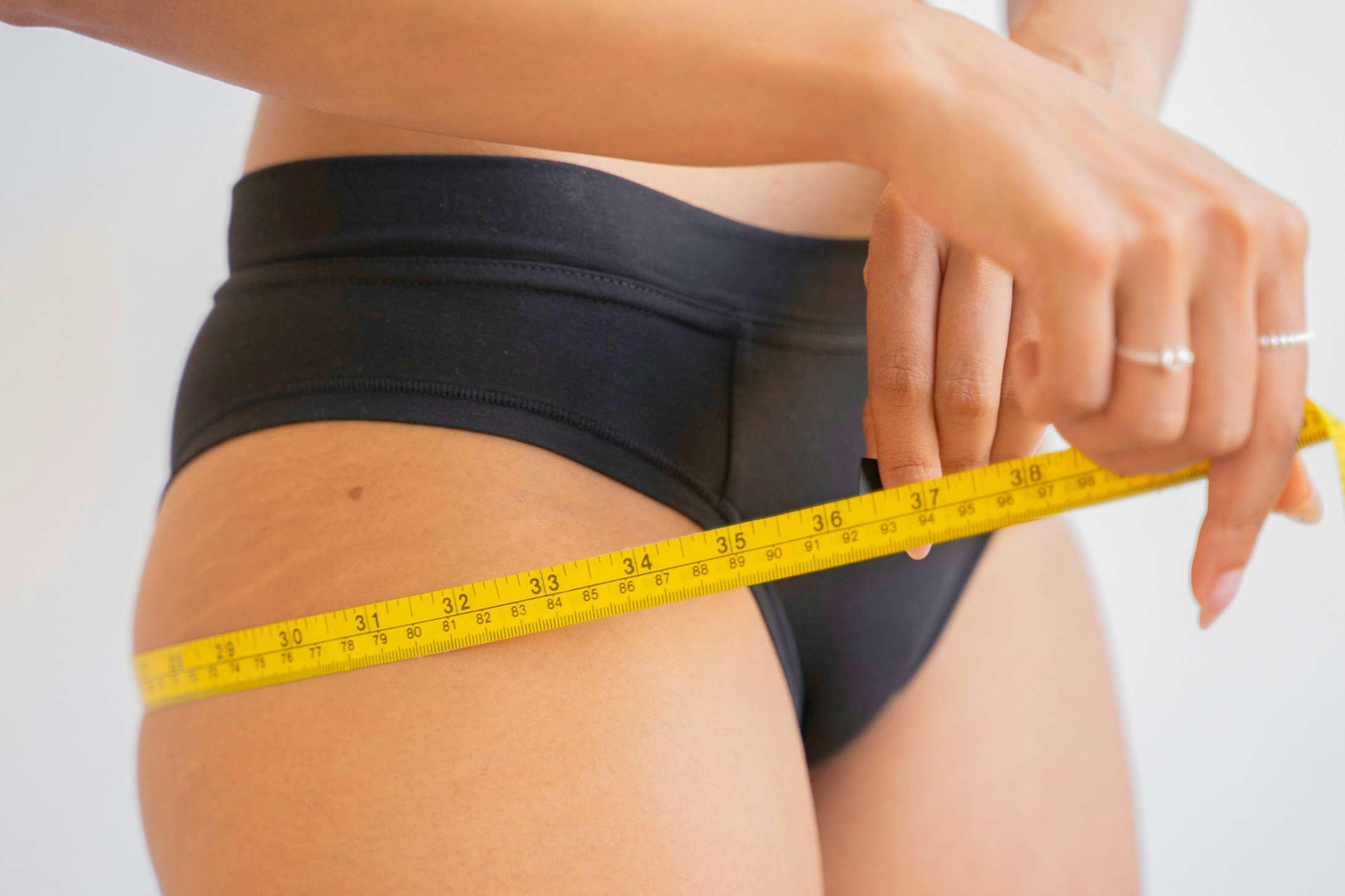
Cryolipolysis works by cooling subcutaneous fat to temperatures (around -11°C at the tissue level) that trigger apoptosis of adipocytes while sparing skin, nerves, and muscle. Fat cells are gradually cleared by macrophages over 8 to 12 weeks, with peak visible reduction at 2 to 3 months. The treatment is designed for pinchable, localized subcutaneous fat deposits (flanks, lower abdomen, inner thighs, submental area, upper arms, bra roll, banana roll): not for visceral fat, loose skin, or general weight loss. Body mass index above roughly 30 and poorly defined fat pads are poor indications. A realistic single-cycle reduction is around 20 to 25% of the pinchable fat in the treated area; most patients need 1 to 3 cycles per area spaced 6 to 8 weeks apart.
- CoolSculpting / CoolSculpting Elite (Allergan): The brand foreigners usually search for. Dual-applicator Elite system treats two areas simultaneously with redesigned C-shaped applicators.
- Cristal (Deleo) and Clatuu Alpha (Classys): Cryolipolysis devices commonly used at Japanese clinics as CoolSculpting alternatives.
- EMSCULPT NEO (BTL): Combined HIFEM+ muscle contraction and radiofrequency heating: builds muscle and reduces fat simultaneously. Often paired with cryolipolysis.
- truSculpt iD / truSculpt flex (Cutera): Monopolar RF for fat reduction and electrical muscle stimulation for toning.
- Injection lipolysis (BNLS Neo, Kybella-style deoxycholic acid): Small-volume fat dissolving injections: covered in our separate fat-dissolving guide.
- CoolSculpting itself is not PMDA-approved for fat reduction in Japan: clinics that offer the genuine Allergan device use it as a private-pay cosmetic procedure under physician supervision. This is legal but worth knowing.
- Ask which specific device the clinic uses: "CoolSculpting" is sometimes used loosely to mean any cryolipolysis. If you specifically want the Allergan device, confirm applicator names (CoolAdvantage, CoolMax, CoolMini, CoolSmooth Pro, CoolCurve+).
- Paradoxical adipose hyperplasia (PAH): fat hardening and growth in the treated area: is a rare but recognized side effect (~0.05 to 1% depending on source). Clinics should flag it during consent.
- Plan 1 hour per cycle per area plus post-treatment massage. Most patients have mild bruising and numbness for 1 to 3 weeks after.
- Expect to discuss realistic outcomes and be screened out if your anatomy isn't a good fit: good clinics decline patients rather than upsell cycles.
5 English-Speaking CoolSculpting Clinics in Tokyo
Shirono Clinic: Ebisu
Long-running aesthetic dermatology practice with one of the more established cryolipolysis programs among English-speaking Tokyo clinics. They run Clatuu Alpha with multiple applicator sizes and often pair cycles with EMSCULPT NEO for patients who want both fat reduction and muscle toning. Treatment planning is usually done by a physician rather than a technician.
- English level: Strong: physician and key front-of-house staff.
- Price range: ¥55,000 to ¥85,000 per cycle (~$367 to $567).
- Best for: Patients who want physician-led planning and combination protocols.
- Caveat: Uses Clatuu Alpha rather than the Allergan CoolSculpting device: same mechanism, different brand.
Tokyo Midtown Clinic: Roppongi
Inside Tokyo Midtown Tower, with an aesthetic medicine arm that runs genuine CoolSculpting Elite with the full applicator lineup plus EMSCULPT NEO. They offer multi-cycle packages sized to anatomic area (abdomen, flanks, inner thighs) and are one of the few Tokyo clinics where foreigners can book the Allergan device specifically.
- English level: Fluent: most physicians and nurses.
- Price range: ¥70,000 to ¥110,000 per cycle (~$467 to $733).
- Best for: Patients who want the genuine CoolSculpting Elite device in a premium clinic setting.
- Caveat: Premium positioning means higher per-cycle prices than mid-tier cryolipolysis clinics.
Minami Aoyama Skin Care Clinic: Aoyama
Aesthetic dermatology clinic on Aoyama-dori with a strong non-surgical body contouring menu. They run Cristal (Deleo) cryolipolysis and truSculpt flex for muscle toning. The clinic is known for careful body-composition assessment and setting realistic expectations rather than pushing high-cycle packages.
- English level: Good: with some nurses more fluent than others.
- Price range: ¥50,000 to ¥80,000 per cycle (~$333 to $533).
- Best for: Honest consultations and patients on the fence about whether cryolipolysis is right for their anatomy.
- Caveat: Consultations can feel conservative: if you were hoping to be sold a package, you may leave with a reduced recommendation instead.
AOI 7 Clinic: Ginza
Boutique Ginza clinic running CoolSculpting Elite plus EMSCULPT NEO, with treatment rooms that accommodate dual-applicator sessions to cut total chair time roughly in half. Good option for visitors staying in the Ginza/Shiodome area who want a compact treatment calendar.
- English level: Functional: reception prepared with written materials and Google Translate backup for nuanced clinical questions.
- Price range: ¥65,000 to ¥100,000 per cycle (~$433 to $667).
- Best for: Ginza-based patients who want the Elite dual-applicator setup.
- Caveat: Spoken English clinical detail is thinner than the Ebisu/Roppongi options: pre-consultation email via a booking concierge helps.
Shinanozaka Clinic: Yotsuya / Shinjuku
Aesthetic clinic near Yotsuya-Sanchome station with a cryolipolysis program running Clatuu Alpha plus RF-based body contouring (Thermage FLX for skin tightening over treated areas). The clinic's strength is sequencing: they often run a cryolipolysis cycle first, then RF tightening 4 to 6 weeks later as fat reduces and skin laxity becomes more apparent.
- English level: Strong: physician and senior nurses.
- Price range: ¥52,000 to ¥82,000 per cycle (~$347 to $547).
- Best for: Patients with mild-to-moderate skin laxity who need combined fat reduction and tightening.
- Caveat: Cryolipolysis-only patients may be steered toward combination packages that raise total cost.
CoolSculpting Tokyo Price Comparison (Tokyo, 2026)
CoolSculpting Tokyo pricing is typically quoted per cycle (one applicator placement on one area for ~35 to 45 minutes). Most body areas require 2 cycles to cover, and most patients want 2 to 3 rounds spaced 6 to 8 weeks apart per area.
| Clinic | Neighborhood | Device | Price per Cycle | USD ($1=¥150) |
|---|---|---|---|---|
| Shirono Clinic | Ebisu | Clatuu Alpha | ¥55,000 to ¥85,000 | $367 to $567 |
| Tokyo Midtown Clinic | Roppongi | CoolSculpting Elite | ¥70,000 to ¥110,000 | $467 to $733 |
| Minami Aoyama Skin Care | Aoyama | Cristal (Deleo) | ¥50,000 to ¥80,000 | $333 to $533 |
| AOI 7 Clinic | Ginza | CoolSculpting Elite | ¥65,000 to ¥100,000 | $433 to $667 |
| Shinanozaka Clinic | Yotsuya/Shinjuku | Clatuu Alpha + Thermage FLX | ¥52,000 to ¥82,000 | $347 to $547 |
Prices per applicator cycle. Larger anatomic areas (full abdomen, both flanks) typically require 2+ cycles per round. Package pricing for multi-area or multi-round treatment is usually available on request: confirm directly when booking.
Not sure which clinic to choose, or how to book in Japanese? Kanbi handles clinic selection, Japanese communication, and booking for CoolSculpting treatments. Submit a treatment request → kanbicare.com
CoolSculpting Tokyo FAQ
How much does CoolSculpting cost in Tokyo?
Per-cycle pricing at English-speaking Tokyo clinics runs ¥50,000 to ¥110,000 (~$333 to $733) depending on whether the clinic uses the genuine Allergan CoolSculpting Elite or a Japanese-market cryolipolysis alternative like Clatuu Alpha or Cristal. Budget for 2 cycles per area per round (one applicator covers roughly half of an abdomen or one flank), and 1 to 3 rounds depending on starting fat volume: so full-abdomen treatment often totals ¥200,000 to ¥600,000 (~$1,333 to $4,000) across a 3 to 6 month course.
How many sessions do I need and how long do results last?
Each round produces roughly 20 to 25% reduction in pinchable fat in the treated area, with peak visible change at 8 to 12 weeks post-treatment. Most patients complete 1 to 3 rounds spaced 6 to 8 weeks apart per area. Treated fat cells do not regenerate, so results are considered long-lasting as long as body weight stays stable: but significant weight gain enlarges the remaining fat cells and can visually reverse the contouring, so CoolSculpting is not a workaround for underlying weight trajectory.
Does CoolSculpting actually work?
Yes, within its indication. Peer-reviewed and FDA-cleared data consistently show 20 to 25% adipocyte reduction per cycle in pinchable subcutaneous fat. It does not work on visceral fat (the deeper fat around organs that creates a firm abdomen), loose skin, or cellulite. It also does not help patients whose concern is a general "softer midsection" without a discrete pinchable pocket. In those cases, the honest answer is that CoolSculpting is a supporting treatment in a broader plan that includes nutrition, strength training, and potentially muscle-toning devices like EMSCULPT NEO: not a standalone fix.
Is CoolSculpting safe and what are the side effects?
Common and expected: erythema, swelling, bruising, and altered sensation (numbness, tingling) lasting 1 to 3 weeks. Less common: late-onset pain at treatment area, subcutaneous induration. Rare but clinically important: paradoxical adipose hyperplasia (PAH), where the treated fat pad paradoxically enlarges and firms over 2 to 5 months. PAH is more common in men and requires surgical correction (liposuction) rather than resolving on its own. Clinics should flag PAH during consent: if yours doesn't, that's a quality signal worth weighing.
Can tourists get CoolSculpting in Tokyo?
Yes. Tourists pay out of pocket and can book single-cycle or single-round treatments without issue. Two practical points: results peak at 8 to 12 weeks, so a one-visit tourist will leave before seeing the outcome; and follow-up rounds typically need to be scheduled in person, which is awkward if you're returning home. Tourists who want to complete a full course usually build it into two trips spaced 8 weeks apart, or start in Tokyo and complete rounds at a cryolipolysis clinic at home.
Difference between CoolSculpting and EMSCULPT NEO?
CoolSculpting reduces fat via cold-induced apoptosis: it removes fat cells but does nothing to muscle. EMSCULPT NEO uses HIFEM+ to trigger supramaximal muscle contractions (~20,000 per session) while simultaneously delivering synchronized RF heating that also reduces overlying fat. Typical published data show EMSCULPT NEO producing ~25% fat reduction and ~25% muscle thickness increase in treated areas. For patients whose concern is both "pinchable fat" and "flat/weak muscle contour" (often the case for mid and lower abdomen), many Tokyo clinics run cryolipolysis first for bulk fat reduction, then EMSCULPT NEO for muscle definition: the sequence matters.
Can I combine CoolSculpting with Thermage FLX or skin tightening?
Yes, and it's a common pairing when skin laxity is part of the problem. Cryolipolysis removes fat but can reveal or worsen mild skin laxity in patients with reduced collagen density. Monopolar RF (Thermage FLX) or microfocused ultrasound (Ultherapy) scheduled 4 to 6 weeks after cryolipolysis helps tighten overlying skin. For abdominal treatment in patients post-pregnancy or with significant weight loss history, combining cryolipolysis with RF tightening often produces a more refined contour than either device alone.
Is CoolSculpting cheaper in Tokyo vs Seoul or Singapore?
Per-cycle pricing in Tokyo is competitive with Seoul private clinics and generally lower than Singapore. Genuine CoolSculpting Elite in Tokyo runs ¥70,000 to ¥110,000 per cycle, versus roughly ₩600,000 to ₩1,000,000 in Seoul (broadly similar in USD) and typically S$800 to S$1,400 in Singapore (meaningfully higher). That said, device quality, physician experience with patient selection, and willingness to decline poor candidates vary more than the price tags: a well-run Tokyo clinic that declines to treat you is often a better outcome than a cheaper Seoul clinic that sells you five cycles. For a two-night trip weighed against travel cost and follow-up logistics, Tokyo is usually the pragmatic choice.
Booking CoolSculpting Tokyo via Kanbi
CoolSculpting Tokyo is accessible, credible when performed by physician-supervised clinics, and priced competitively with other Asian hubs: but device brand, applicator fit to your anatomy, and clinic willingness to pace cycles honestly vary substantially. Kanbi matches you to the right cryolipolysis clinic in Tokyo for your body area, goals, and timeline, handles the Japanese-language booking, and coordinates follow-up rounds across a multi-month course. Submit a treatment request at kanbicare.com and we'll line up a CoolSculpting consultation that fits your anatomy and travel schedule.
Related Kanbi guides: liposuction in Tokyo, fat dissolving injections in Tokyo, and mommy makeover in Tokyo.