
Last verified: April 2026. Prices, device availability, and English support change — confirm directly with the clinic or through Kanbi before booking.
Booking Ultherapy Tokyo clinics actually offer in English is a narrower shortlist than the aesthetic ads online suggest, and the price range is wide enough to matter. This guide walks through how Ultherapy and HIFU are used in Tokyo in 2026, realistic prices in both ¥ and $, and the English-speaking clinics foreigners most often end up at.
What to Know Before Ultherapy in Tokyo
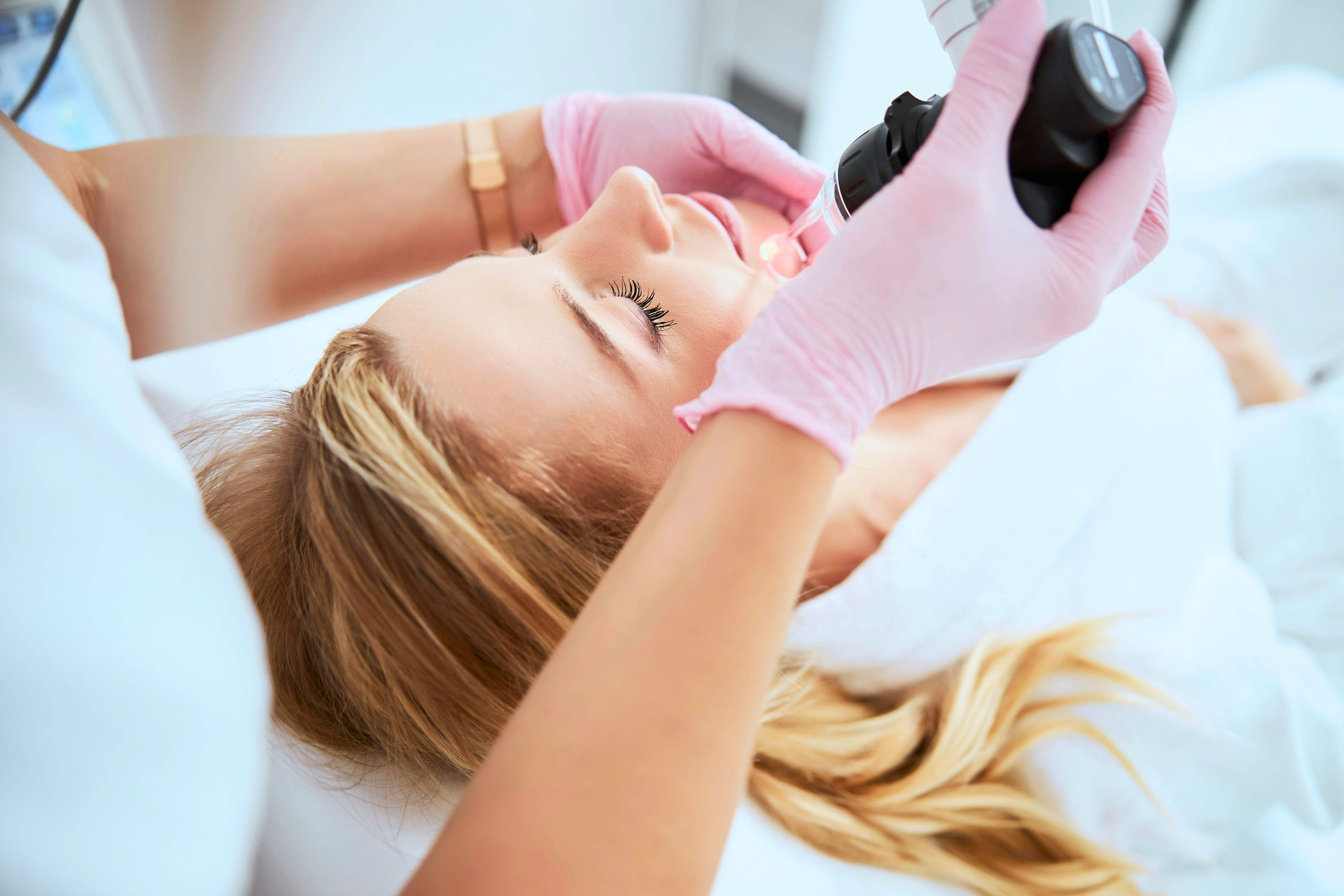
Ultherapy (Merz's micro-focused ultrasound with visualization, MFU-V) is the original FDA-cleared ultrasound lifting device, and it sits at the top of the HIFU category in most Tokyo clinic menus. The key difference from generic HIFU is the DeepSEE imaging screen the physician uses to actually see into the SMAS layer before firing — which is why a proper Ultherapy treatment costs noticeably more than a rebranded HIFU session on a Korean or Chinese device. Tokyo clinics tend to offer both, and it's worth understanding which you're paying for.
Device and technique options you'll encounter:
- Ultherapy (MFU-V) with 1.5 mm, 3.0 mm, and 4.5 mm transducers — the 4.5 mm targets the SMAS, the deeper fascia layer that lifts
- Ulthera Amplify protocol — a higher line-count version (usually 600–800+ lines) marketed as a "full lift"
- HIFU Tokyo English clinics list separately: devices like Ultraformer III/MPT, Doublo Gold, Liftera, and Ultracel Q+ — all cheaper, none with real-time imaging
- Combination protocols pairing Ultherapy with Thermage FLX (monopolar radiofrequency) for skin and collagen on different depths
- Adjunct treatments often scheduled around Ultherapy: Rejuran for skin quality, Picolaser for pigmentation, and Silhouette Soft for jawline and midface contour
- Line counts matter: a "mini" Ultherapy at 150–300 lines is not the same treatment as a full-face Amplify at 600–800 lines
Practical notes for foreigners:
- Downtime is minimal — faint redness and some tenderness — but bruising and transient nerve sensitivity can happen, so plan social events accordingly
- Results build over 2–3 months as collagen remodels; the first two weeks usually show little visible change
- Most clinics will not treat patients with recent fillers in the treatment zone — a 2–4 week gap after hyaluronic acid is standard
- Consultation fees (¥3,300–¥5,500 / ~$22–$37) are typically separate from the treatment price
- Bring any prior device records — line counts, transducer settings, date of last session — if you've done Ultherapy abroad; it changes the plan
5 English-Speaking Ultherapy Clinics in Tokyo
Shirono Clinic — Ebisu
A long-running aesthetic dermatology group with an Ebisu flagship that sees many foreign patients. Shirono offers the full Ultherapy menu including Amplify line counts, and routinely pairs Ultherapy with Thermage FLX on separate visits for patients looking at a non-surgical facelift Tokyo HIFU plan over several months.
- English level: English-speaking staff available by appointment; written consent forms in English
- Price range: ¥280,000–¥480,000 ($1,867–$3,200) for full-face Ultherapy, depending on line count
- Best for: full-face and neck Amplify protocols, combination planning with Thermage
- Caveat: English-language slots book out 2–3 weeks ahead, especially for weekend appointments
Tokyo Midtown Clinic — Roppongi
The dermatology department inside Tokyo Midtown Clinic runs a more medical-feeling Ultherapy practice with genuine Merz-branded equipment and conservative line-count recommendations. They're unusually honest about who is and isn't a good candidate, and will suggest deferring treatment on younger patients without meaningful laxity.
- English level: full English intake; several physicians trained or board-certified abroad
- Price range: ¥330,000–¥495,000 ($2,200–$3,300) for full-face Ultherapy
- Best for: first-time Ultherapy patients, medical-grade consultation, conservative planning
- Caveat: priced at the upper end of the market; there's no discount package structure
Minami Aoyama Skin Care Clinic — Aoyama
Well-known among expats in central Tokyo, with both Ultherapy and several HIFU devices on the menu — useful if you want an honest conversation about whether Ultherapy is actually worth the price jump over an Ultraformer session. They also integrate Picolaser and Rejuran into post-Ultherapy maintenance plans.
- English level: English-speaking concierge; physicians use English with translation support as needed
- Price range: ¥240,000–¥440,000 ($1,600–$2,933) for full-face Ultherapy; Ultraformer from ¥55,000 ($367)
- Best for: comparing Ultherapy Japan prices against HIFU alternatives in one consult, pigmentation-plus-lift plans
- Caveat: aftercare products are strongly recommended and meaningfully increase the total spend
AOI 7 Clinic — Ginza
A newer aesthetic clinic in Ginza with dermatology and plastic surgery under one roof. Useful if you want Ultherapy planned alongside Thermage FLX, Silhouette Soft threads, or Motiva-based surgical consultation with JSAPS-certified surgeons on staff.
- English level: English-speaking receptionist; consultation via English-speaking doctor on select days
- Price range: ¥220,000–¥380,000 ($1,467–$2,533) for full-face Ultherapy; HIFU alternatives from ¥44,000 ($293)
- Best for: patients weighing Ultherapy against threads or surgical consultation in a single visit
- Caveat: the menu is wide — it's on you to stay disciplined about what you actually came in for
Shinanozaka Clinic — Yotsuya / Shinjuku
A smaller, doctor-led practice with a conservative device selection: genuine Ultherapy, Thermage FLX, and a curated HIFU device. Physicians here include JSAPS/JSPRS-certified surgeons, which matters if you want Ultherapy discussed in the context of whether you should actually consider a surgical approach instead.
- English level: English consultations available with specific doctors by request
- Price range: ¥280,000–¥420,000 ($1,867–$2,800) for full-face Ultherapy
- Best for: patients wanting candid advice about surgical vs non-surgical facelift Tokyo HIFU options
- Caveat: they'll decline to treat if they think you'd be better served elsewhere, which can feel blunt
Ultherapy Tokyo Price Comparison (Tokyo, 2026)
Typical 2026 price ranges for Ultherapy Tokyo patients encounter, plus the common HIFU alternatives and adjunct treatments they're compared against.
| Treatment | Typical Range (¥) | USD Equivalent | Session Notes |
|---|---|---|---|
| Ultherapy full face (300 lines) | ¥220,000–¥330,000 | $1,467–$2,200 | every 12–18 months |
| Ultherapy full face + neck (600+ lines, Amplify) | ¥330,000–¥550,000 | $2,200–$3,667 | every 12–18 months |
| Ultherapy lower face only | ¥180,000–¥280,000 | $1,200–$1,867 | every 12–18 months |
| Ultherapy neck only | ¥130,000–¥220,000 | $867–$1,467 | every 12–18 months |
| Ultherapy eye area | ¥88,000–¥150,000 | $587–$1,000 | every 9–12 months |
| HIFU (Ultraformer / Liftera / Doublo) full face | ¥44,000–¥120,000 | $293–$800 | every 6–12 months |
| Thermage FLX full face | ¥250,000–¥400,000 | $1,667–$2,667 | every 12–18 months |
| Consultation fee | ¥3,300–¥5,500 | $22–$37 | per visit |
Prices are per-session ranges across the clinics above at April 2026; confirm directly when booking. USD converted at ¥150 = $1.
Not sure which clinic to choose, or how to book in Japanese? Kanbi handles clinic selection, Japanese communication, and booking for Ultherapy treatments. Submit a treatment request → kanbicare.com
Ultherapy Tokyo FAQ
How much does Ultherapy in Tokyo cost?
A standard full-face Ultherapy session at 300 lines runs ¥220,000–¥330,000 ($1,467–$2,200) at most English-speaking clinics in 2026. Adding the neck or stepping up to an Amplify protocol (600+ lines) brings the total to ¥330,000–¥550,000 ($2,200–$3,667). Targeted treatments — eye area alone, neck alone — start around ¥88,000 ($587). Budget ¥3,300–¥5,500 (~$22–$37) for consultation on top.
How many sessions do I need and how long do results last?
Ultherapy is designed as a single session with results building over 2–3 months as collagen remodels, then lasting 12–18 months depending on baseline skin quality and age. Most Tokyo patients repeat annually or every 18 months. Stacking two Ultherapy sessions inside a few weeks is not standard practice and most reputable clinics will refuse it; the line count per session is already what drives the effect.
Does Ultherapy actually work?
For mild-to-moderate skin laxity along the jawline, under-chin area, and brow, yes — Ultherapy has real FDA clearance and published data showing modest lifting and tightening. It is not a substitute for a facelift, and patients with significant jowling or loose neck skin will usually see a noticeable but disappointing result. On the right candidate with adequate bone structure and early laxity, Ultherapy is one of the more evidence-backed devices in non-surgical facelift Tokyo HIFU menus. On the wrong candidate, it's best framed as a supporting treatment in a broader plan that might include Thermage FLX, Silhouette Soft threads, or surgical consultation.
Is Ultherapy safe and what are the side effects?
Ultherapy is well-tolerated in licensed Tokyo clinics when protocols are followed. Expected effects include mild redness, tenderness, and mild swelling for 24–72 hours. Bruising and temporary tingling in the treatment zone are possible. Rare but documented risks include transient nerve irritation (most often the marginal mandibular branch, causing a temporary asymmetric smile that usually resolves in weeks to a few months) and, very rarely, fat loss in treated areas if line counts are aggressive. Choosing a clinic with imaging-guided treatment and a physician who does Ultherapy regularly meaningfully reduces both risks.
Can tourists get Ultherapy in Tokyo?
Yes. There's no residency requirement, and most English-speaking clinics will treat visitors. Practical timing: Ultherapy has minimal downtime, so treatment early in a trip is fine. However, results take 2–3 months, so you won't see the full effect while you're still in Japan. If you want in-person follow-up, time your trip so you can return within 6–12 weeks — or do your next session with the same clinic on your next visit.
What's the difference between Thermage vs Ultherapy Tokyo clinics offer?
Thermage FLX uses monopolar radiofrequency and heats the dermis broadly to tighten skin and stimulate collagen — it's more about "shrink-wrap" tightening across the full treated area. Ultherapy uses focused ultrasound to deliver energy at three precise depths, including the SMAS at 4.5 mm, and is more about lifting specific anatomical layers. Thermage is often preferred for overall skin quality and body areas; Ultherapy is preferred for jawline and brow lift. Many Tokyo clinics offer both and sequence them a few months apart rather than treating them as rivals.
Can I combine Ultherapy with other treatments?
Commonly, yes. Popular combinations in Tokyo include Ultherapy plus Thermage FLX (usually 1–3 months apart), Ultherapy plus Silhouette Soft threads for added jawline definition, and Ultherapy plus Rejuran for skin quality. Picolaser for pigmentation is typically scheduled on a different day. Fillers are usually placed after Ultherapy rather than before, since the treatment can slightly affect recent hyaluronic acid. Your clinic should sequence treatments with adequate spacing rather than stacking on one visit.
Is Ultherapy cheaper in Tokyo than in Seoul or Singapore?
Seoul is often 15–30% cheaper on an equivalent full-face Ultherapy at the same line count, and Singapore is priced similarly to Tokyo or slightly higher. The value in Tokyo sits elsewhere: tight device regulation that makes genuine Merz machines the norm at reputable clinics (counterfeit devices are a known issue in some markets), conservative line-count recommendations, and clinics that tend to undersell rather than push Amplify protocols on every patient. If your priority is absolute lowest price, Tokyo isn't the winner; if you want a genuine device and a physician who won't pressure you, Ultherapy Japan prices are reasonable.
Booking Ultherapy Tokyo Clinics Through Kanbi
Choosing an Ultherapy Tokyo clinic as a foreigner means balancing English availability, device authenticity, line-count transparency, and price — and most clinic websites are Japanese-only with limited online booking. Kanbi matches you to the right English-speaking dermatologist, handles the Japanese-language communication, and confirms exact line counts and pricing before you arrive. Submit a treatment request at kanbicare.com and we'll take it from there.
Related Kanbi guides: thread lift in Tokyo, liquid facelift in Tokyo, and anti-aging treatments in Tokyo.