Last verified: April 2026. Prices, surgeons, and English support can change — confirm directly when booking.
Otoplasty Tokyo searches come from two very different groups — adults seeking prominent ear correction that they've thought about for years, and parents of school-age children who want the surgery done before bullying becomes an issue. In 2026, Tokyo has a small but credible group of English-speaking plastic surgery clinics that handle otoplasty for both, and this guide covers what the surgery actually involves, the clinics worth shortlisting, real 2026 prices in ¥ and USD, and how Kanbi can handle the Japanese booking side while you focus on the medical decision.
What to Know Before Otoplasty in Tokyo
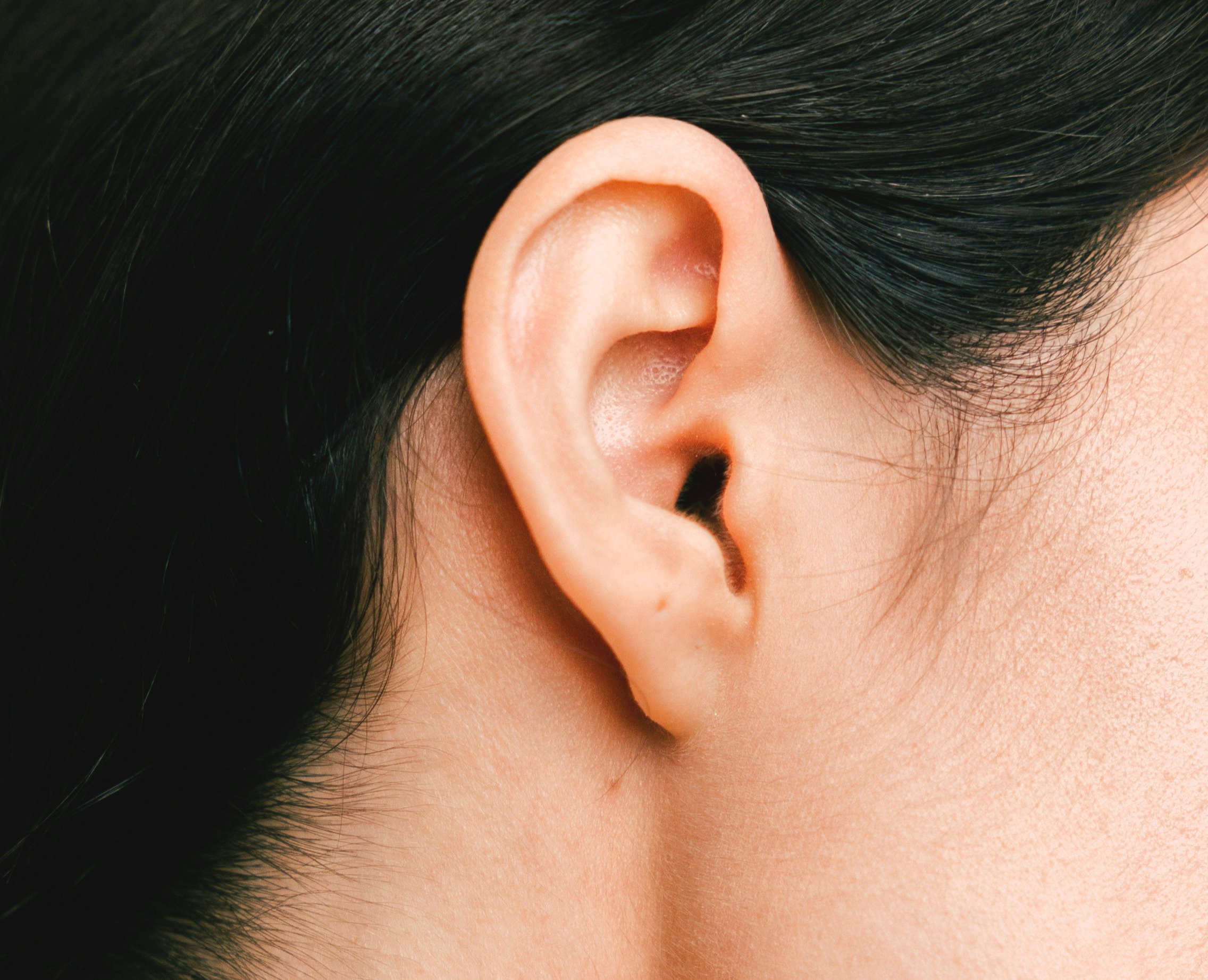
Otoplasty is a broad term covering any surgical reshaping of the external ear. The most common case is prominent ear correction, where the antihelical fold has not fully formed and the ear sits too far out from the side of the head (often beyond 20–22 mm from the mastoid). Standard adult otoplasty Tokyo surgeons use a combination of Mustardé sutures to create or reinforce the antihelical fold, Furnas sutures to pull the conchal bowl closer to the mastoid, and — where cartilage is stiff — anterior cartilage scoring to weaken and reshape the antihelix. The incision sits in the crease behind the ear and is almost invisible once healed. Most adult cases are done under local anesthesia with light IV sedation over 1.5–2 hours; pediatric cases are typically general anesthesia and scheduled from around age 6, when the ear is close to adult size. Ear pinning surgery Tokyo English clinics are a small subset of the plastic surgery market, so shortlisting early and confirming surgeon availability matters more than chasing the lowest price.
- Suture otoplasty (Mustardé + Furnas) — the workhorse technique. Reshapes cartilage using permanent mattress sutures, no cartilage removal.
- Suture + anterior scoring — used when cartilage is stiff and resists folding with sutures alone. Common in adults over 25.
- Conchal setback — specifically targets deep conchal bowls that stick out even when the antihelix is well-formed.
- Earlobe reduction / split earlobe repair — separate procedures often combined with otoplasty in the same OR visit.
- Constricted / Stahl's ear reconstruction — more complex cases requiring cartilage grafts. Only a handful of Tokyo surgeons take these.
- Board certification to look for: JSAPS (Japan Society of Aesthetic Plastic Surgery) or JSPRS (Japan Society of Plastic and Reconstructive Surgery).
- Tourists can undergo otoplasty in Tokyo — plan 8–12 days: consult + labs, surgery, headband fitting, suture removal at 7–10 days.
- Compression headband worn 24/7 for 1–2 weeks, then at night only to 4–6 weeks. Bring a beanie or loose-fit hat for the flight home.
- No contact sports, swimming, or side-sleeping for 4–6 weeks. No hair coloring for 2–3 weeks.
- Japanese health insurance generally does not cover cosmetic otoplasty — confirm at consult if your case may qualify as reconstructive (rare).
5 English-Speaking Otoplasty Clinics in Tokyo
Jindaiji Kinoshita Clinic — Chofu (West Tokyo)
A JSAPS-certified plastic surgery practice with a long track record in ear and facial work. The surgeon performs standard prominent ear correction Tokyo patients using Mustardé and Furnas suture techniques, with anterior cartilage scoring added selectively for stiffer adult cartilage. Split earlobe repair and earlobe reduction are also handled routinely, often combined in a single OR visit.
- English level: Moderate — surgeon speaks clinical English, front desk uses a mix of English and translation support
- Price range: ¥350,000–¥700,000 ($2,333–$4,667) bilateral
- Best for: Adults wanting a JSAPS-certified surgeon with clear technique explanation, willing to travel west of central Tokyo
- Caveat: Chofu is a 25–30 minute train from Shibuya/Shinjuku, so post-op checks require travel time
City Clinic — Azabu
An international-focused practice in Azabu-Juban that handles otoplasty as part of its facial aesthetic surgery menu. The clinic is set up around English-speaking patients from the start, which simplifies consent, pre-op planning, and post-op check-in conversations. Expect a careful measurement consult — distance from head, conchal depth, antihelical fold development — before a surgical plan is offered.
- English level: High — clinic positions itself as an English-speaking practice
- Price range: ¥500,000–¥800,000 ($3,333–$5,333) bilateral
- Best for: Expats and visiting patients who want everything — consult, surgery, follow-up — in fluent English
- Caveat: Pricing sits at the upper end of the Tokyo range, reflecting the bilingual-clinic premium
Tokyo Midtown Clinic — Roppongi
The plastic surgery department within Tokyo Midtown Clinic handles adult otoplasty with JSAPS-credentialed surgeons and a formal pre-op protocol — blood work, ECG, anesthesia assessment. Facility is inside the Tokyo Midtown complex, which makes post-op logistics (pharmacy, food, quiet recovery walk) straightforward. Pediatric otoplasty is occasionally accepted for children aged 7+, usually under general anesthesia.
- English level: High — clinic has served diplomatic and international corporate clientele for years
- Price range: ¥450,000–¥750,000 ($3,000–$5,000) bilateral
- Best for: Foreign residents or tourists wanting central Roppongi logistics and large-clinic infrastructure
- Caveat: Surgical slots book 4–6 weeks out, so short visits need to confirm scheduling before flights
AOI 7 Clinic — Ginza
AOI 7's plastic surgery arm takes on otoplasty cases alongside its broader aesthetic menu, with strength in standard suture otoplasty and earlobe work. Good central Ginza location for patients combining the procedure with an extended visit and wanting easy access to pharmacies and follow-up points. The consult style tends to be brisk but technically detailed.
- English level: High — staff handle English-speaking patients regularly across departments
- Price range: ¥300,000–¥650,000 ($2,000–$4,333) bilateral
- Best for: Standard adult prominent ear correction cases without significant complexity
- Caveat: Not the first choice for complex reconstructive cases (Stahl's ear, constricted ear) — consider Jindaiji Kinoshita for those
Shinanozaka Clinic — Yotsuya/Shinjuku
A long-running Yotsuya plastic surgery clinic offering ear reshaping Japan English patients a conservative, methodical approach. Suture otoplasty is the primary technique, with anterior scoring added selectively. The consult is thorough and the surgeon tends to discuss expected outcomes in conservative terms — helpful for patients who want realism rather than a sales pitch.
- English level: Moderate — English consent materials, Japanese-primary consult with interpreter available
- Price range: ¥280,000–¥600,000 ($1,867–$4,000) bilateral
- Best for: Patients who prefer a quieter neighborhood clinic and a conservative surgeon style
- Caveat: English support is real but not native-fluent — Kanbi concierge adds a useful buffer here
Otoplasty Tokyo Price Comparison (Tokyo, 2026)
Prices below are 2026 bilateral otoplasty ranges — both ears, standard suture technique. Unilateral cases are typically 55–65% of the bilateral price.
| Clinic | Technique | Price (¥, bilateral) | Price (USD) |
|---|
| Jindaiji Kinoshita Clinic | Mustardé + Furnas ± scoring | ¥350,000–¥700,000 | $2,333–$4,667 |
| City Clinic | Suture otoplasty ± scoring | ¥500,000–¥800,000 | $3,333–$5,333 |
| Tokyo Midtown Clinic | Suture otoplasty (JSAPS) | ¥450,000–¥750,000 | $3,000–$5,000 |
| AOI 7 Clinic | Standard suture technique | ¥300,000–¥650,000 | $2,000–$4,333 |
| Shinanozaka Clinic | Suture otoplasty, conservative | ¥280,000–¥600,000 | $1,867–$4,000 |
Prices exclude consult fees, pre-op labs, and post-op medications unless stated. ¥150 = $1 used for conversion. Complex reconstructive cases (Stahl's ear, constricted ear) are quoted separately.
Not sure which clinic to choose, or how to book in Japanese? Kanbi handles clinic selection, Japanese communication, and booking for otoplasty treatments. Submit a treatment request → kanbicare.com
Otoplasty Tokyo FAQ
How much does otoplasty cost in Tokyo?
Budget ¥280,000–¥800,000 ($1,867–$5,333) for standard bilateral otoplasty in 2026. Simple suture-only cases on softer cartilage sit at the low end. Cases requiring anterior cartilage scoring, conchal setback, or combined earlobe work land higher. Add ¥20,000–¥60,000 for anesthesia, labs, and post-op medication if not bundled in the surgical quote.
How many sessions and how long do results last?
Otoplasty is a one-time procedure. Permanent suture techniques (Mustardé, Furnas) hold the cartilage in its new position while scarring stabilizes the change over 3–6 months. Results are effectively lifelong, though 1–3% of patients experience partial relapse requiring a touch-up if sutures loosen. Trauma to the ear after healing can also disrupt the correction, so contact sports require protection for the first 6 months.
Does otoplasty actually work?
Yes — prominent ear correction is one of the most predictable procedures in aesthetic plastic surgery, with patient satisfaction rates consistently reported above 90% in long-term follow-up studies. Suture techniques combined with selective cartilage scoring reliably reduce ear protrusion and create or reinforce the antihelical fold. Results look most natural when both ears are symmetrical at baseline; asymmetric cases are corrected to best match rather than perfect symmetry.
Is otoplasty safe and what are the side effects?
It is a low-risk procedure when done by a JSAPS or JSPRS-certified plastic surgeon. Expected side effects: swelling and bruising for 1–2 weeks, temporary numbness or tingling at the ear, and a fine scar in the crease behind the ear. Less common risks include hematoma (1–2%), suture extrusion or knot palpability (2–4%), asymmetry requiring revision (2–5%), and hypertrophic scarring — more common in patients of African or East Asian descent, so scar prevention protocols matter. Serious complications (cartilage necrosis, infection) are rare.
Can tourists get otoplasty in Tokyo?
Yes. Plan 8–12 days in Japan: day 1–2 consult and pre-op labs, day 3 surgery (outpatient, ~2 hours under local + sedation), day 4–7 rest with headband, day 7–10 suture removal and clearance to fly. The procedure itself is less recovery-heavy than body surgery, which makes it well-suited to medical tourism. Bring a loose beanie or hoodie for the flight home, since the headband stays on.
What's the difference between ear pinning surgery and otoplasty Japan prices suggest for earlobe work?
"Ear pinning" and "otoplasty" usually refer to the same core procedure — reshaping the cartilage to reduce ear protrusion. Earlobe work (split earlobe repair, lobe reduction) is a separate procedure targeting only the fleshy lower part of the ear, and it's typically priced at ¥60,000–¥180,000 per side. Many patients combine the two in a single visit; surgeons generally give a package discount when done together.
Can I combine otoplasty with other facial procedures?
Yes — and it's common. Otoplasty is often combined with earlobe repair in the same OR visit, and occasionally with buccal fat removal or a short-scar facelift for patients already planning facial work. Combining adds OR time but not usually separate anesthesia charges. Rhinoplasty is typically staged rather than combined, because both procedures involve cartilage healing and overlapping recovery can stress the patient.
Is otoplasty cheaper in Tokyo vs Seoul or Bangkok?
Tokyo sits in the middle of the East Asia otoplasty market. Seoul's cosmetic surgery volume produces some aggressive package pricing, and Bangkok can be cheaper on headline price with wider quality variance. Tokyo's value is the combination of JSAPS-level surgical training, conservative consult style, and ease of follow-up — especially relevant for a procedure that depends on precise cartilage work and stable long-term suture placement. For English-speaking care with high surgical standards, Tokyo pricing is competitive.
Book Otoplasty Tokyo with Kanbi
Otoplasty Tokyo options in 2026 span five English-capable plastic surgery clinics, bilateral pricing from ¥280,000 to ¥800,000, and technique choices that should match your cartilage stiffness and case complexity rather than your budget alone. Surgeon selection and a clear English consent conversation matter more than chasing the lowest sticker price. Kanbi shortlists the right clinic for your case, handles the Japanese-language booking, and coordinates pre-op labs and post-op check-ins in English — submit a treatment request at kanbicare.com to start.
Related Kanbi guides: rhinoplasty in Tokyo.
Otoplasty Tokyo searches come from two very different groups: adults seeking prominent ear correction that they have thought about for years, and parents of school-age children who want the surgery done before bullying becomes an issue. In 2026, Tokyo has a small but credible group of English-speaking plastic surgery clinics that handle otoplasty for both. This guide covers what the surgery actually involves, the clinics worth shortlisting, real 2026 prices in ¥ and USD, and how Kanbi can handle the Japanese booking side while you focus on the medical decision.
What to Know Before Otoplasty in Tokyo
Otoplasty is a broad term covering any surgical reshaping of the external ear. The most common case is prominent ear correction, where the antihelical fold has not fully formed and the ear sits too far out from the side of the head (often beyond 20 to 22 mm from the mastoid). Standard adult otoplasty Tokyo surgeons use a combination of Mustardé sutures to create or reinforce the antihelical fold, Furnas sutures to pull the conchal bowl closer to the mastoid, and, where cartilage is stiff, anterior cartilage scoring to weaken and reshape the antihelix. The incision sits in the crease behind the ear and is almost invisible once healed. Most adult cases are done under local anaesthesia with light IV sedation over 1.5 to 2 hours. Pediatric cases are typically general anaesthesia and scheduled from around age 6, when the ear is close to adult size. Ear pinning surgery Tokyo English clinics are a small subset of the plastic surgery market, so shortlisting early and confirming surgeon availability matters more than chasing the lowest price.
Technique options:
- Suture otoplasty (Mustardé + Furnas): the workhorse technique. Reshapes cartilage using permanent mattress sutures, no cartilage removal.
- Suture + anterior scoring: used when cartilage is stiff and resists folding with sutures alone. Common in adults over 25.
- Conchal setback: specifically targets deep conchal bowls that stick out even when the antihelix is well-formed.
- Earlobe reduction / split earlobe repair: separate procedures often combined with otoplasty in the same OR visit.
- Constricted / Stahl's ear reconstruction: more complex cases requiring cartilage grafts. Only a handful of Tokyo surgeons take these.
Key things to know before booking:
- Board certification to look for: JSAPS (Japan Society of Aesthetic Plastic Surgery) or JSPRS (Japan Society of Plastic and Reconstructive Surgery).
- Tourists can undergo otoplasty in Tokyo. Plan 8 to 12 days: consult and labs, surgery, headband fitting, suture removal at 7 to 10 days.
- Compression headband worn 24/7 for 1 to 2 weeks, then at night only to 4 to 6 weeks. Bring a beanie or loose-fit hat for the flight home.
- No contact sports, swimming, or side-sleeping for 4 to 6 weeks. No hair colouring for 2 to 3 weeks.
- Japanese health insurance generally does not cover cosmetic otoplasty. Confirm at consult if your case may qualify as reconstructive (rare).
5 English-Speaking Otoplasty Clinics in Tokyo
Jindaiji Kinoshita Clinic, Chofu (West Tokyo)
A JSAPS-certified plastic surgery practice with a long track record in ear and facial work. The surgeon performs standard prominent ear correction Tokyo patients using Mustardé and Furnas suture techniques, with anterior cartilage scoring added selectively for stiffer adult cartilage. Split earlobe repair and earlobe reduction are also handled routinely, often combined in a single OR visit.
English level: Moderate. Surgeon speaks clinical English. Front desk uses a mix of English and translation support. Price range: ¥350,000 to ¥700,000 ($2,333 to $4,667) bilateral. Best for: Adults wanting a JSAPS-certified surgeon with clear technique explanation, willing to travel west of central Tokyo. Caveat: Chofu is a 25 to 30 minute train from Shibuya/Shinjuku, so post-op checks require travel time.
City Clinic, Azabu
An international-focused practice in Azabu-Juban that handles otoplasty as part of its facial aesthetic surgery menu. The clinic is set up around English-speaking patients from the start, which simplifies consent, pre-op planning, and post-op check-in conversations. Expect a careful measurement consult covering distance from head, conchal depth, and antihelical fold development before a surgical plan is offered.
English level: High. Clinic positions itself as an English-speaking practice. Price range: ¥500,000 to ¥800,000 ($3,333 to $5,333) bilateral. Best for: Expats and visiting patients who want everything, consult, surgery, and follow-up, in fluent English. Caveat: Pricing sits at the upper end of the Tokyo range, reflecting the bilingual-clinic premium.
Tokyo Midtown Clinic, Roppongi
The plastic surgery department within Tokyo Midtown Clinic handles adult otoplasty with JSAPS-credentialed surgeons and a formal pre-op protocol including blood work, ECG, and anaesthesia assessment. The facility is inside the Tokyo Midtown complex, which makes post-op logistics straightforward. Pediatric otoplasty is occasionally accepted for children aged 7 and above, usually under general anaesthesia.
English level: High. Clinic has served diplomatic and international corporate clientele for years. Price range: ¥450,000 to ¥750,000 ($3,000 to $5,000) bilateral. Best for: Foreign residents or tourists wanting central Roppongi logistics and large-clinic infrastructure. Caveat: Surgical slots book 4 to 6 weeks out, so short visits need to confirm scheduling before flights.
AOI 7 Clinic, Ginza
AOI 7's plastic surgery arm takes on otoplasty cases alongside its broader aesthetic menu, with strength in standard suture otoplasty and earlobe work. Good central Ginza location for patients combining the procedure with an extended visit and wanting easy access to pharmacies and follow-up points.
English level: High. Staff handle English-speaking patients regularly across departments. Price range: ¥300,000 to ¥650,000 ($2,000 to $4,333) bilateral. Best for: Standard adult prominent ear correction cases without significant complexity. Caveat: Not the first choice for complex reconstructive cases such as Stahl's ear or constricted ear. Consider Jindaiji Kinoshita for those.
Shinanozaka Clinic, Yotsuya / Shinjuku
A long-running Yotsuya plastic surgery clinic offering ear reshaping Japan English patients a conservative, methodical approach. Suture otoplasty is the primary technique, with anterior scoring added selectively. The consult is thorough and the surgeon tends to discuss expected outcomes in conservative terms, helpful for patients who want realism rather than a sales pitch.
English level: Moderate. English consent materials, Japanese-primary consult with interpreter available. Price range: ¥280,000 to ¥600,000 ($1,867 to $4,000) bilateral. Best for: Patients who prefer a quieter neighbourhood clinic and a conservative surgeon style. Caveat: English support is real but not native-fluent. Kanbi concierge adds a useful buffer here.
Otoplasty Tokyo Price Comparison (2026)
Prices below are 2026 bilateral otoplasty ranges covering both ears with standard suture technique. Unilateral cases are typically 55 to 65% of the bilateral price.
Jindaiji Kinoshita Clinic
- Technique: Mustardé + Furnas, anterior scoring
- Price (bilateral): ¥350,000 to ¥700,000 / $2,333 to $4,667
City Clinic
- Technique: Suture otoplasty, anterior scoring
- Price (bilateral): ¥500,000 to ¥800,000 / $3,333 to $5,333
Tokyo Midtown Clinic
- Technique: Suture otoplasty (JSAPS)
- Price (bilateral): ¥450,000 to ¥750,000 / $3,000 to $5,000
AOI 7 Clinic
- Technique: Standard suture technique
- Price (bilateral): ¥300,000 to ¥650,000 / $2,000 to $4,333
Shinanozaka Clinic
- Technique: Suture otoplasty, conservative
- Price (bilateral): ¥280,000 to ¥600,000 / $1,867 to $4,000
Prices exclude consult fees, pre-op labs, and post-op medications unless stated. ¥150 = $1 used for conversion. Complex reconstructive cases (Stahl's ear, constricted ear) are quoted separately.
Not sure which clinic to choose, or how to book in Japanese? Kanbi handles clinic selection, Japanese communication, and booking for otoplasty treatments. Submit a treatment request at kanbicare.com.