
Last verified: April 2026. Plastic surgery clinic menus, surgeon rosters, and English-language availability change. Always confirm surgeon credentials, current pricing, and language support directly with the clinic when booking: especially for surgical procedures.
If you're researching breast augmentation in Tokyo as a foreigner, the honest picture is mixed: Japan has excellent board-certified plastic surgeons and access to mainstream implants like Motiva and Mentor, but the English-speaking pool of breast surgeons in Tokyo is meaningfully smaller than in Seoul or Bangkok. This guide lists Tokyo clinics where English support is verifiable for consultations and booking, what each one is good at, and where you should pause and get a second opinion before you commit.
What to Know Before Breast Augmentation in Tokyo
Breast augmentation is surgery, not a lunch-break treatment. A few things specific to choosing Tokyo over Seoul, Bangkok, or your home country:
- Japanese aesthetic is conservative. Most Tokyo surgeons will steer you toward natural-looking, moderately sized results. If you want a dramatic, "obvious" augmentation, be prepared for honest pushback: or to travel elsewhere.
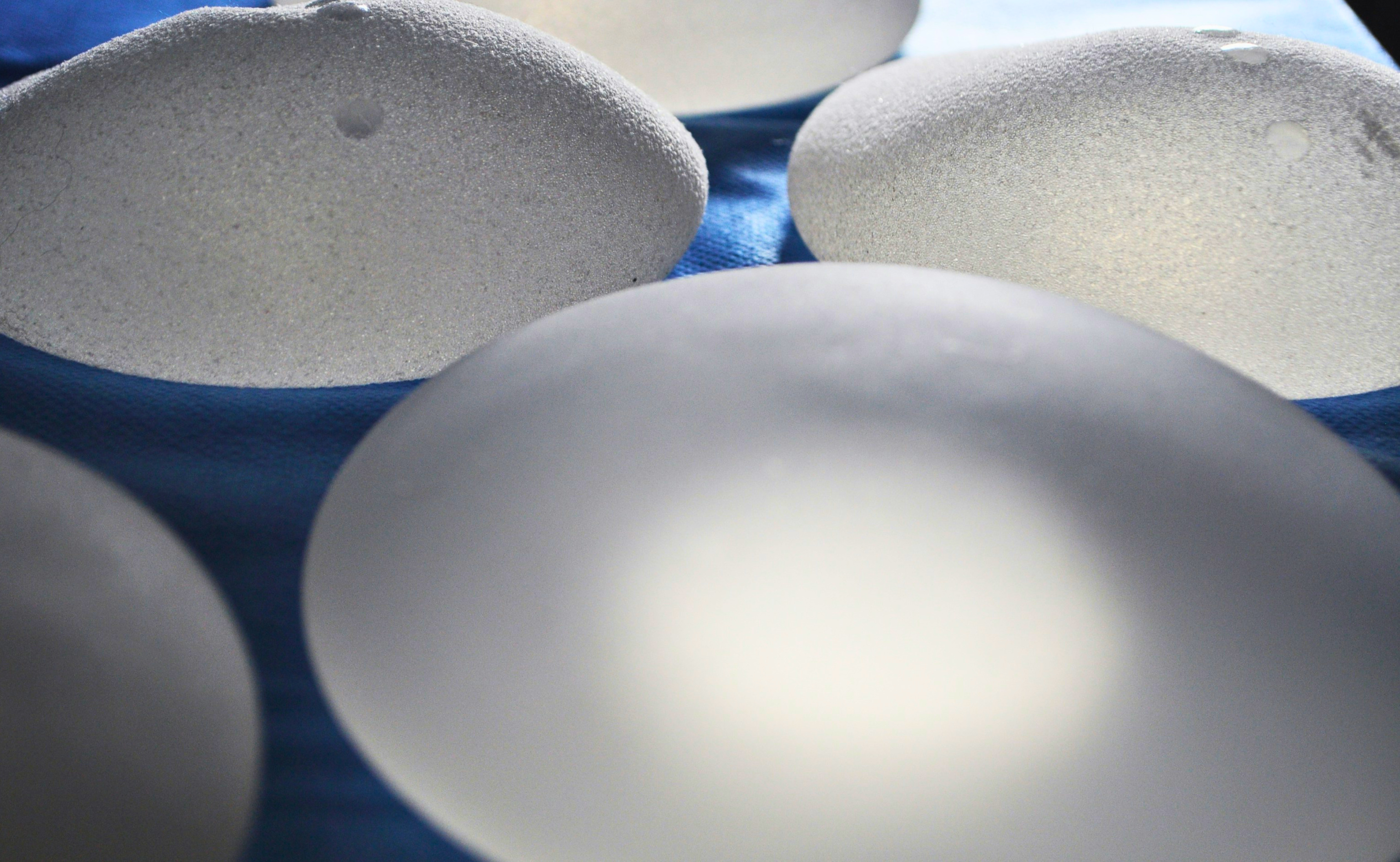
- Three main techniques are on offer: silicone implants (Motiva, Mentor, Natrelle are the common brands approved in Japan), fat grafting (often called CAL: cell-assisted lipotransfer, pioneered at Tokyo University), and hybrid approaches combining a small implant with fat.
- Hyaluronic acid or "injection" breast augmentation is offered at some Tokyo clinics but is controversial internationally, not recommended by most board-certified plastic surgeons, and can complicate future imaging. Treat it as a red flag if a clinic pushes it as equivalent to implants.
- Board certification matters. Look for surgeons certified by the Japanese Society of Plastic and Reconstructive Surgery (JSPRS / 日本形成外科学会) or the Japan Society of Aesthetic Plastic Surgery (JSAPS / 日本美容外科学会 JSAPS: note there are two bodies using the name JSAS and JSAPS, and JSAPS is the stricter of the two). Confirm this on the surgeon's bio page.
- Recovery window. Plan 7 to 10 days in Tokyo minimum for implants: one pre-op consult day, surgery day, and at least 2 to 3 post-op checks before you fly. Fat transfer typically needs similar time, plus a compression garment for the liposuction donor site.
- Follow-up is harder from abroad. If you return home and have a complication (capsular contracture, infection, asymmetry), your Tokyo surgeon can advise remotely but cannot examine you. Factor revision travel into your budget.
- Consultation fees at surgical clinics typically run ¥5,500 to ¥11,000 ($37 to $73), sometimes waived if you proceed with surgery.
A final candid note: for pure breast augmentation, many English-speaking foreigners in Asia still choose Seoul for volume, price, and English infrastructure. Tokyo is a strong choice if you value conservative Japanese aesthetics, JSAPS-certified surgeons, and a more medically cautious consultation style: but it is not the budget option.
4 English-Speaking Breast Augmentation Clinics in Tokyo
The Clinic Tokyo: Ginza
Arguably Tokyo's best-known clinic for fat-grafting breast augmentation (CAL: cell-assisted lipotransfer), a technique developed in Japan. The clinic has historically treated international patients and publishes detailed English procedural information. Also offers implant-based augmentation and hybrid approaches.
- English level: High. International patient coordination; English consultation and written materials are standard.
- Price range: CAL fat-grafting breast augmentation from ~¥1,650,000 ($11,000); silicone implant augmentation from ~¥1,100,000 ($7,333); hybrid (implant + fat) from ~¥2,200,000 ($14,667). Confirm current pricing and what is included (anesthesia, post-op garments, follow-up visits) directly.
- Best for: Patients specifically interested in fat transfer rather than implants, and those who want a clinic with a clear subspecialty focus.
- Caveat: Premium pricing and often booked months out. Fat grafting requires enough donor fat: very lean patients may not be candidates and should expect that conversation at consultation.
Verita Clinic: Shirokanedai
Plastic and aesthetic surgery clinic in the quieter Shirokanedai area with published English content and experience handling foreign patients. Offers implant-based augmentation (Motiva, Mentor) and fat transfer.
- English level: Moderate to high. English materials published; confirm the specific consulting surgeon's English level when booking.
- Price range: Silicone implant augmentation from ~¥990,000 ($6,600) depending on implant brand; fat transfer from ~¥1,320,000 ($8,800). Confirm directly when booking, including what's included in the quoted price.
- Best for: Patients who want a quieter, lower-volume clinic environment rather than a high-traffic Ginza practice.
- Caveat: Smaller practice, so surgeon availability and scheduling is tighter. Confirm the specific surgeon's JSAPS/JSPRS certification.
Tokyo Midtown Clinic: Roppongi
Part of the Tokyo Midtown Medical Center complex, this is the most reliably English-capable medical environment on this list. Their plastic surgery referrals are typically to affiliated board-certified surgeons rather than in-house breast specialists, so the clinic's role is often coordination and pre/post-op care in English rather than surgery itself.
- English level: Very high. Dedicated international patient services and English medical records.
- Price range: Varies significantly depending on the referred surgeon and implant choice. Confirm directly when booking: expect ¥1,100,000 to ¥2,000,000 ($7,333 to $13,333) range for implant-based augmentation.
- Best for: Patients who want the most English-supported medical environment in Tokyo and are comfortable with a referral model.
- Caveat: Not a dedicated cosmetic breast surgery practice. If you want to consult directly with a high-volume breast surgeon in one place, this is not that setup.
Shonan Beauty Clinic (SBC): Shinjuku (international desk)
Japan's largest cosmetic surgery chain, with an international patient desk at flagship Tokyo locations. Handles high volumes of implant-based breast augmentation and offers a wider range of implant brands and sizes than most boutique clinics.
- English level: Variable by branch and by day: strongest at their Shinjuku and Ikebukuro international desks. Confirm in writing that an English-speaking coordinator will be present at both your consultation and your surgery day.
- Price range: Silicone implants from ~¥550,000 ($3,667) for entry-level packages up to ~¥1,650,000 ($11,000) for premium implants (Motiva Ergonomix and similar). Aggressive package deals common. Confirm directly when booking exactly what is and isn't included.
- Best for: Budget-conscious patients who want access to a wide range of implants and a high-volume surgical team.
- Caveat: High-volume chain culture. Consultations are shorter and more sales-driven than at boutique clinics. Specifically ask which surgeon will operate on you, their years of experience with breast augmentation, and their JSAPS/JSPRS certification: don't accept a vague answer.
Price Comparison Table
Approximate 2026 starting prices. Actual quotes depend on implant brand, size, surgical technique, anesthesia type, and follow-up packages. ¥150 ≈ $1. Surgical packages usually include anesthesia and basic post-op but confirm exactly what's included.
| Clinic | Silicone Implant Augmentation | Fat Transfer (CAL) | Hybrid (Implant + Fat) |
|---|---|---|---|
| The Clinic Tokyo | ¥1,100,000 ($7,333) | ¥1,650,000 ($11,000) | ¥2,200,000 ($14,667) |
| Verita Clinic | ¥990,000 ($6,600) | ¥1,320,000 ($8,800) | Confirm directly |
| Tokyo Midtown Clinic | ¥1,100,000 to ¥2,000,000 ($7,333 to $13,333) | Confirm directly | Confirm directly |
| Shonan Beauty Clinic (SBC) | ¥550,000 to ¥1,650,000 ($3,667 to $11,000) | Confirm directly | Confirm directly |
Prices exclude consultation fees (¥5,500 to ¥11,000), 10% consumption tax unless stated, and typically exclude revision surgery costs if needed. Always request a written, itemized quote before surgery.
Not sure which clinic to choose, or how to book in Japanese? Kanbi handles clinic selection, Japanese communication, and booking for breast augmentation treatments. Submit a treatment request → kanbicare.com
FAQ
Is breast augmentation in Tokyo a good idea for foreigners?
It can be, if you value conservative aesthetics, JSAPS-certified surgeons, and a cautious medical culture, and if you have the budget. For pure cost and English-volume reasons, Seoul still attracts more English-speaking medical tourists for this specific procedure. Tokyo is better suited to patients who already live in Japan or who specifically want Japanese surgical training.
Which implants are available in Japan?
The common PMDA-approved options are Motiva (Ergonomix and Round), Mentor (MemoryGel and MemoryShape), and Natrelle (Allergan). Brand and size availability varies by clinic: if you have a specific brand in mind, ask before you book a consultation. Some Korean-origin implants are offered at certain clinics but not all are PMDA-approved.
How long do I need to stay in Tokyo?
Minimum 7 to 10 days for implant-based augmentation: pre-op consultation day, surgery day, and at least 2 to 3 post-op checks before you fly. Fat transfer needs similar time plus management of the liposuction donor site. Don't book a 4-day trip for breast surgery.
What's the difference between implants and fat transfer?
Implants give predictable, larger volume increase and a consistent shape, but carry implant-specific risks (capsular contracture, rupture, the need for eventual replacement). Fat transfer uses your own tissue, gives a more natural feel, and simultaneously slims the liposuctioned areas: but volume increase is modest (usually one cup size), requires enough donor fat, and a percentage of transferred fat is reabsorbed. Hybrid combines both.
Do Tokyo clinics speak enough English for surgical consent?
At the clinics above, generally yes for consultation and written consent materials. For the day of surgery itself, confirm in writing that an English-speaking staff member will be present for the pre-op marking and any last-minute questions. Consent to a surgical procedure you don't fully understand is not acceptable: push back if a clinic rushes this.
What's the revision policy if something goes wrong?
Revision terms vary widely. Some clinics include a limited revision window (often 6 to 12 months) for specific issues; others charge separately. Ask specifically about: capsular contracture, implant malposition, asymmetry, and implant removal. Get the revision policy in writing before you agree to surgery.
Is HA or "injection" breast augmentation safe?
It's offered at some Tokyo clinics, but most board-certified international plastic surgery bodies advise against it. It can complicate future breast imaging (including mammograms and MRI), results are temporary, and some injected materials are difficult to remove. Treat aggressive marketing of injectable breast augmentation as a reason to get a second opinion.
Should I do breast augmentation in Tokyo or fly to Seoul?
This is a real question and the honest answer is that it depends on your priorities. Seoul has more English-speaking breast specialists, higher surgical volume, and often lower prices, but also more aggressive marketing and a wider quality range. Tokyo offers a more conservative, cautious clinical culture with strong board certification and generally less upselling. If you already live in Japan, the Tokyo option also makes follow-up dramatically easier.
Closing
Breast augmentation is a meaningful surgical decision, not a cosmetic errand. Tokyo is a solid option for English-speaking patients who prioritize conservative aesthetics, JSAPS-certified surgeons, and a medical culture that pushes back rather than upsells: as long as you choose the clinic carefully and budget for the recovery window and any revision travel. The four clinics above are reasonable starting points, but verify surgeon credentials and current pricing directly. If you'd rather have the research, clinic selection, and booking handled for you in English, that's what Kanbi is built for.
Related Kanbi guides: mommy makeover in Tokyo and liposuction in Tokyo., and how to book a clinic in Tokyo without speaking Japanese